
Japan Weather in January: What to Expect, City by City

I turn my journeys into guides that help you travel better.
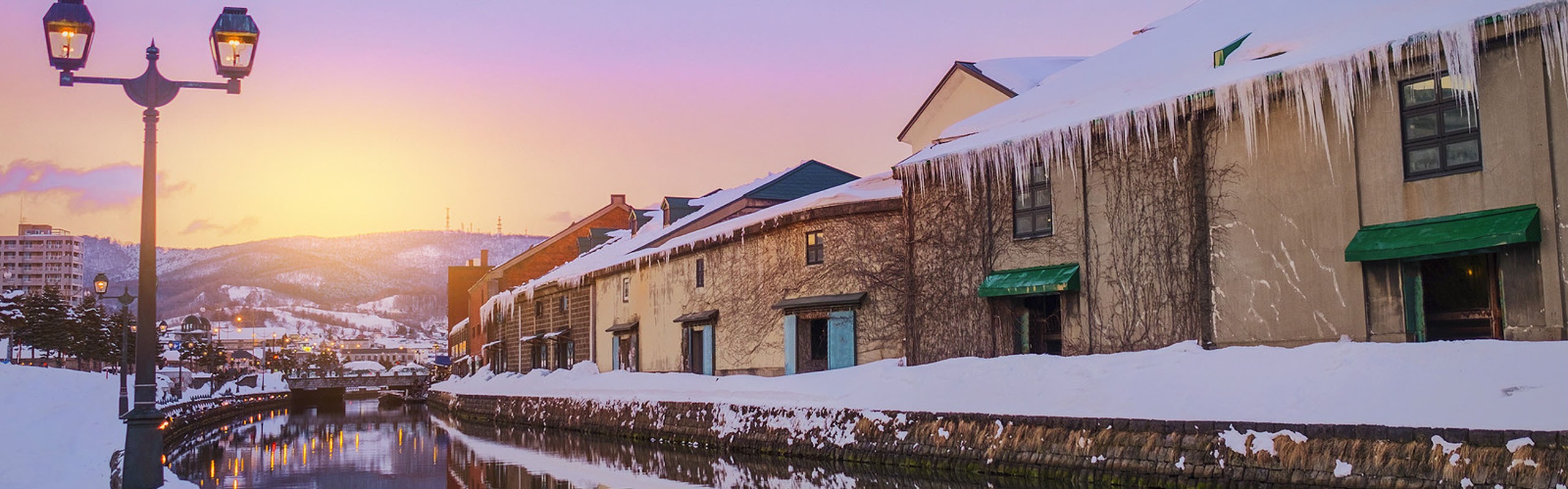
January is in mid-winter in Japan. It's the coldest and driest month of the year. It is also one of the cheapest times to visit Japan.
Snow falls more frequently than in December (though less in quantity). Thus, January is the best time for winter sports and experiencing a ryokan (Japanese inn) with hot springs.
During the first three days of January, Japan comes alive with rich New Year traditions (Shogatsu). You can join locals for the year's first shrine visit (Hatsumode). After that, hotel rates drop to their winter low and the attractions empty out.
Find out about average temperatures, rainfall, and tips on where to go and what to wear in Japan in January below...
January Weather in Japan at a Glance
- Rainfall: 67 mm (2 inches)
- Rainy days: 8
- Sunny days: 23
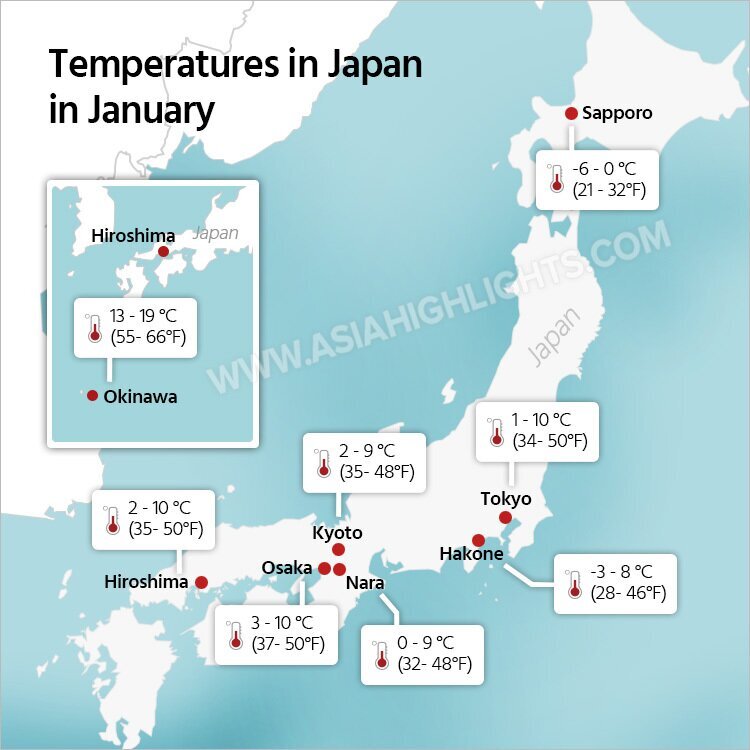
| Japan City | Average Low | Average High | Wet Days | What it feels like |
|---|---|---|---|---|
| Tokyo | 2°C (36°F) | 10°C (50°F) | 5 | Sunny and dry. Wind between the towers makes it feel colder than the number. |
| Kyoto | 1°C (34°F) | 9°C (48°F) | 6 | Expect cold floors inside temples and stark |
| Osaka | 2°C (36°F) | 9°C (48°F) | 5 | Slightly warmer than Kyoto. A convenient base for day trips to Nara and Kobe |
| Hakone | -1°C (30°F) | 7°C (45°F) | 6 | Cold air, clear Fuji, and the best reason to enjoy an open-air bath. |
| Sapporo | -7°C (19°F) | -1°C (30°F) | 15 (snowfall) | Dry powder, icy roads, and 16:00 sunsets. |
| Okinawa (Naha) | 14°C (55°F) | 19°C (66°F) | 11 | Mild enough for a light jacket. Beaches are closed for swimming |
Source: Japan Meteorological Agency (JMA), 1991–2020 normals.
What January Actually Feels Like
The cold is drier and windier than the forecast suggests. Tokyo rarely drops below freezing. But strong winds can make 5°C (41°F) feel much colder. A windproof jacket can help more than an extra sweater.
Indoors, it is hot. Every train, museum, and department store sits at around 22°C (72°F). You will switch between the cold 4°C (39°F) outside and the warm 22°C inside several times a day. Wear layers you can easily take off and put back on.
The air is very dry, too. January is one of Tokyo's driest months. Your lips and hands can dry out quickly. Hotel rooms may feel especially dry. Pack lip balm and hand cream.
Kyoto and Osaka feel different from Tokyo. Tokyo often has clear skies and dry, windy weather. In Kyoto, the cold feels more noticeable when you're standing outside for long periods. Plan shorter outdoor visits and take breaks somewhere warm.
Daylight is short. Sunset is around 16:40–17:00 in Tokyo and 16:00–16:45 in Sapporo. Plan outdoor sightseeing before 15:30.
Where to Go in Japan in January
1. Tokyo in January: Full of New Year Celebrations
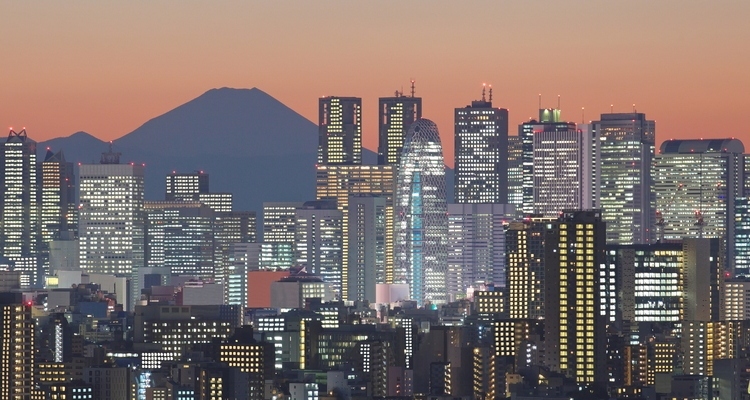
Tokyo is sunny and dry in January, with about 5 wet days. It is also one of the best months to view Mt. Fuji (60-68% visibility). In the morning, you have an almost 100% chance of seeing it.
The crisp winter air can also give you clear views across the city from high viewpoints such as Tokyo Skytree and Shibuya Sky.
Tokyo comes alive during the first three days of January as locals visit shrines for New Year prayers. Meiji Jingu alone attracts around 3 million visitors during this period, so expect heavy crowds and queues of 1–3 hours to enter.
Don't expect to see snow in Tokyo. Tokyo sees snow on one to three days a winter, and it rarely survives more than a day or two.
Sunset is early: about 16:40 on January 1 and 17:00 by month's end. You get roughly nine usable daylight hours. Put outdoor sights in the morning and early afternoon, and keep an indoor block for after 16:00—museums, a department-store food hall, and a long dinner.
2. Kyoto: Soak in Snowy Temples and Culinary Delights
January is Kyoto's coldest month, with average daytime highs of around 9°C (48°F).
Snow is rare, but if you're lucky enough to catch a snowfall, the temples and gardens look beautiful under a layer of white. You can also visit places like Kodai-ji for winter evening illuminations.
On cold days, explore Nishiki Market's covered walkways, enjoy an indoor tea ceremony, or warm up with a traditional kaiseki dinner.
Watch the closing times. Nijo Castle and many temples stop admitting visitors around 16:00–16:30 in winter. Start earlier and plan your outdoor sightseeing around sunset.
If you're in Kyoto for New Year, visit Fushimi Inari Taisha between January 1 and 3. You can join locals praying for good fortune in the year ahead. Just be ready for big crowds.
3. Hakone: Warm Up in Hot Springs with Mt. Fuji Views
 Outdoor bath in Hakone onsen ryokan
Hakone in January brings crisp 7°C (45°F) weather and minimal rain (54 mm / 2.1 in). Winter often brings clear views of Mt. Fuji. But the true highlight is the open-air baths: there is no feeling quite like soaking in warm waters as soft snow gently falls around you.
Ryokan here mostly includes dinner and breakfast, which solves the New Year closed-restaurant problem entirely. Book a room with a private bath if you have tattoos: many traditional onsen still restrict visible tattoos. But private (kashikiri) baths and tattoo-cover stickers are almost always accepted.
Check the property's policy before booking—this is the single most common surprise for first-time visitors.
Start planning your Japan winter tour.
Explore our 12-Day Japan Classics and Hakuba Skiing Tour. This customized itinerary lets you enjoy what you love most, whether it's soaking in an onsen, joining temple rituals, or shopping after the holidays. Tell us your interests, and we'll design a trip just for you.
4. Shirakawa-go: Find Serenity in a Rural Village with Enchanting Illuminations
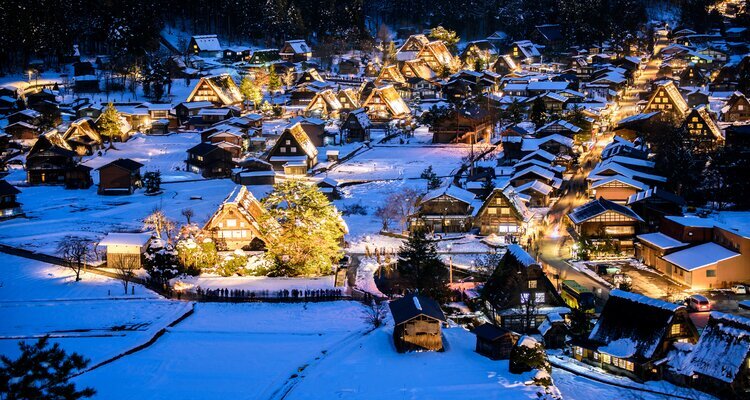
January is the snowiest month in Shirakawa-go. Daytime highs average around 2°C (36°F), and it snows on more than 20 days of the month.
The village is known for its gassho-zukuri farmhouses, with steep thatched roofs built to handle heavy snow. If you want those picture-perfect winter scenes, go in January or February or during the light-up events held on selected dates in these months.
The catch: the village gets crowded mainly on light-up weekends. Accommodation in the village sells out months ahead, so we usually arrange your stay in Takayama or Kanazawa and plan a day trip to it.
If you want to see the illuminations, plan around the exact event date, not around a general "January" plan. Check the official Shirakawa-go website for the schedule. The dates for the following winter are usually announced in late June or early July.
5. Hokkaido: Immerse Yourself in Winter Fun
January is the coldest month in Hokkaido. In Sapporo, daytime temperatures average −1°C (30°F), dropping to −7°C (19°F) at night. So keep warm, especially if you're out after dark.
If you're heading to Hokkaido for the powder, January is one of the best months to go. Niseko, the main ski resort, gets 12–15 meters (39–49 feet) of snow over the season. More than 2 meters (6.6 feet) can fall in January alone. On a big snow day, you might wake up to another 20–30 cm (8–12 inches) of fresh snow.
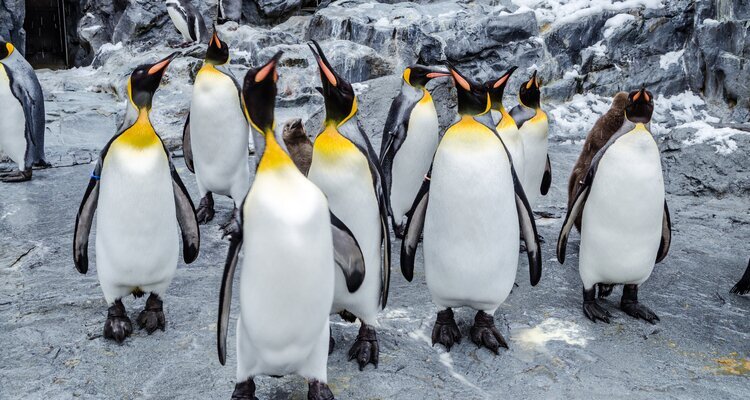
Beyond skiing, you can watch the penguins march at Asahiyama Zoo. The famous penguin walk only takes place in winter. The zoo's winter hours are 10:30–15:30, and it closes from December 30 to January 1.
If you want the postcard village-under-two-meters look, the second half of the month is safer than the first. Snow depth builds through early January.
Good to Know:
- January is peak season in Hokkaido, so you'd better make reservations at least 6 months in advance. Contact us to book your private Hokkaido tour with early-bird benefits!
- One thing to avoid mixing up: the Sapporo Snow Festival takes place in early February, not January.
Suggested reading: How to Plan a Japan Winter Trip.
6. Okinawa and Southern Japan: Quiet Winter Beaches
Okinawa is mild in January, with average temperatures in Naha of 19°C (66°F) during the day and 14°C (57°F) at night. It's not quite beach weather for swimming. Most beaches are closed for swimming, but you can still enjoy scenic coastal walks, guided snorkeling, or diving.
January marks the start of peak whale-watching season in Okinawa. It's a great time to head out on a boat for a chance to spot migrating whales.
You won't need a heavy down coat here. A light jacket and a sweater should be enough for most days.
Is January a Cheap Month to Visit Japan?
Central and southern Japan are in low season, with one exception: the New Year week. Outside December 29–January 3, January is the cheapest month of the winter for Tokyo, Kyoto, Osaka, and Hiroshima, and among the cheapest of the year.
Hokkaido is the exception. January is peak season in Niseko and popular hot-spring towns, where weekend rates are much higher than in Tokyo.
Book at least six months in advance for early January, and expect minimum-stay rules at luxury ryokan and ski resorts.
What to Wear in January
Dress for three temperature zones: outside, inside, and the ten seconds in between.
Cities (Tokyo, Kyoto, Osaka: 2–10°C / 36–50°F)
- Base layer: Heattech or merino wool. Uniqlo Heattech costs around ¥1,000–3,000 (US$7–20). If you forget yours, you can buy it in Japan.
- Mid-layer: fleece, sweater, or a down vest. This is the layer you take off indoors.
- Outer layer: a windproof coat. Tokyo rarely drops below freezing; blocking wind matters more than wearing the thickest coat
- One mistake to avoid: Don't pile on four thin layers. You may end up sweating on the train, then shivering on the platform.
Hokkaido (around −1 to −7°C / 19–30°F, plus wind, even colder inland—Asahikawa)
Hokkaido needs more than one extra sweater.
- Bring a down or synthetic insulated jacket rated for around −15°C (5°F), a waterproof outer shell, insulated waterproof boots, gloves, and a hat that covers your ears.
- Ice grips for your boots cost ¥500–1,000 at any drugstore, and roads in Sapporo get genuinely slippery.
- Don't skip the grip for your boots. Ice grips cost around ¥500–1,000 at drugstores in Japan. Sapporo's roads and sidewalks get genuinely slippery.
Small things that matter more than they should
- Shoes you can slip off. You'll remove them at temples, ryokan, some restaurants, and a few museums. Several times a day.
- Lip balm and hand cream. Humidity is at its annual low.
- Thick socks. For unheated temple floors.
- A scarf. It blocks the wind at your neck, which is most of what "feels cold" means in Tokyo.
Practical Tips You Need to Know
1. Watch out for cold floors. Shrines and temples are often unheated. You may need to take off your shoes and walk on cold wooden floors. Wear thick socks, especially when visiting places with long wooden corridors or verandas.
2. Check winter opening hours: many temples, castles, and gardens stop admitting visitors at 16:00–16:30. Zoos and theme parks shorten hours. Some parks schedule maintenance closures in late January. Check the day you plan to go, not the season.
3. Plan ahead for New Year closures. From December 30 to January 3, many independent restaurants, small shops, museums, and galleries close for the holiday. Convenience stores, department stores, chain restaurants, and temple/ shrine opens.
4. Book a hotel or ryokan with dinner included, or stay near a department-store food hall. This gives you an easier backup when nearby restaurants are closed.
Planning a January Trip?
Tell us your travel dates and what matters most to you — fresh powder, snow-covered temples, an onsen with Mt. Fuji views, or a quiet week in Kyoto after the New Year crowds thin out. We'll tailor the route around what you want to experience.
Monthly Weather and Travel Information for Japan
Learn about the weather in Japan for 12 months and find out the best places to visit each month.