

The Kumano Kodo is a network of ancient pilgrimage routes situated in the Kumano mountains on the Kii Peninsula, within Wakayama Prefecture in the southern part of Honshu, Japan.
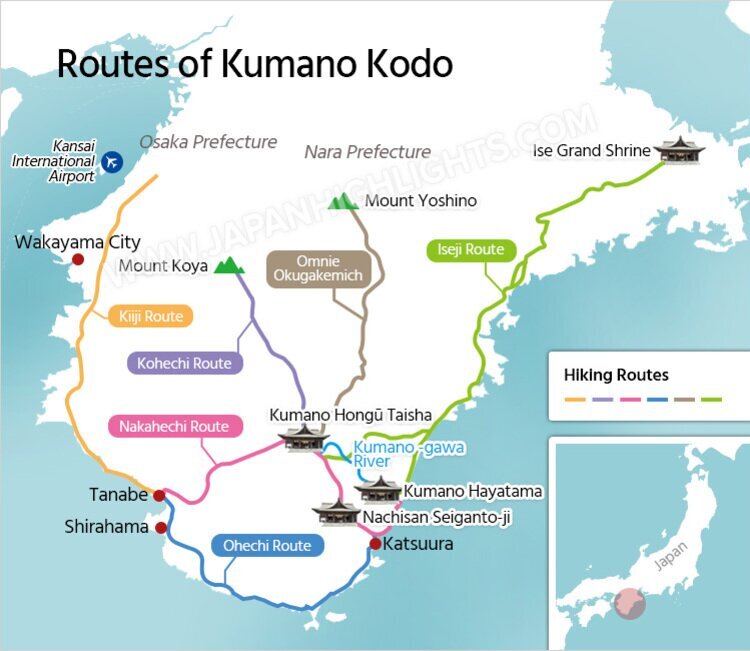
All these trails converge at Kumano Hongū Taisha, the most significant of the three renowned shrines known as Kumano Sanzan.
The other two shrines are situated along the coast, and all are linked to Kumano Hongū Taisha by these pilgrimage routes. These routes are renowned for their serene natural environment and mysterious religious culture, attracting both pilgrims and hikers from around the world.
This article will introduce the essential routes of the Kumano Kodo, the time required for trekking, accommodation options, the best seasons to visit, and important tips for hikers.
Which Is the Best Hiking Route in the Kumano Kodo?
Kumano Kodo is a network of six pilgrimage routes leading to the three sacred Kumano shrines.
For most first-time visitors, the Nakahechi Route is the best one. It has the iconic forest scenery, the best accommodation options, and the shortest qualifying walk for collecting pilgrimage stamps and earning the Dual Pilgrim Credential.
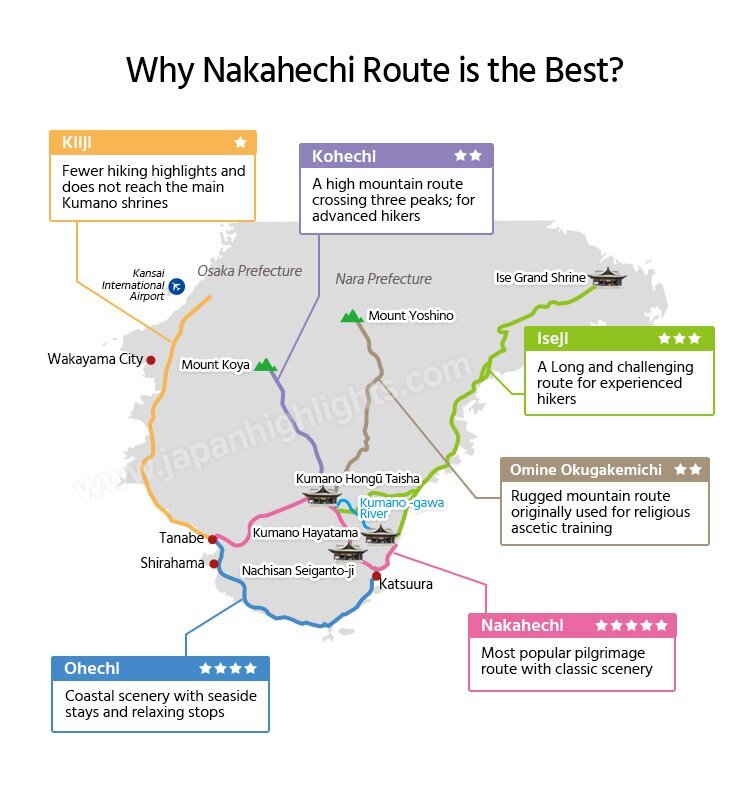
Other options include the Ohechi and Kohechi routes:
- The Ohechi route: beautiful coastal views and a great place to rest and stay overnight.
- The Kohechi route: a challenging mountain route connecting Kumano Hongu Taisha to Mount Koya.
We will focus on the recommended Nakahechi route.
1. Nakahechi Route: Imperial Pilgrimage Route
The Nakahechi is the most popular route for visitors. It has several sections, so you can choose how far to walk. Even a half-day hike is possible.
In the past, emperors and nobles used this route to travel from Kyoto to visit the Kumano shrines.
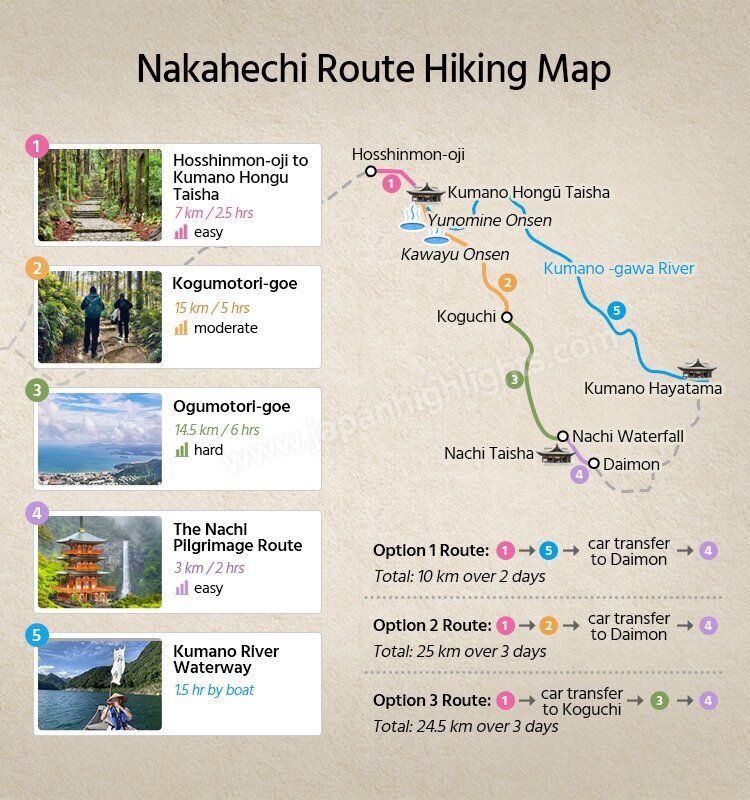
The route starts from Takijiri-oji and ends at Oyunohara, with a total length of 105 kilometers (65 miles). The whole journey takes 5 to 6 days to complete. You can only walk part of it.
- Hosshinmon-oji to Kumano Hongu Taisha: the easiest and most scenic stretch
- Kogumotori-goe: offers views of the Kumano mountains
- Ogumotori-goe: known for stunning views of the Pacific Ocean with a fishing village and its quick, steep ascents
Options range from easy to challenging, so you can choose a walk that suits your fitness and schedule.
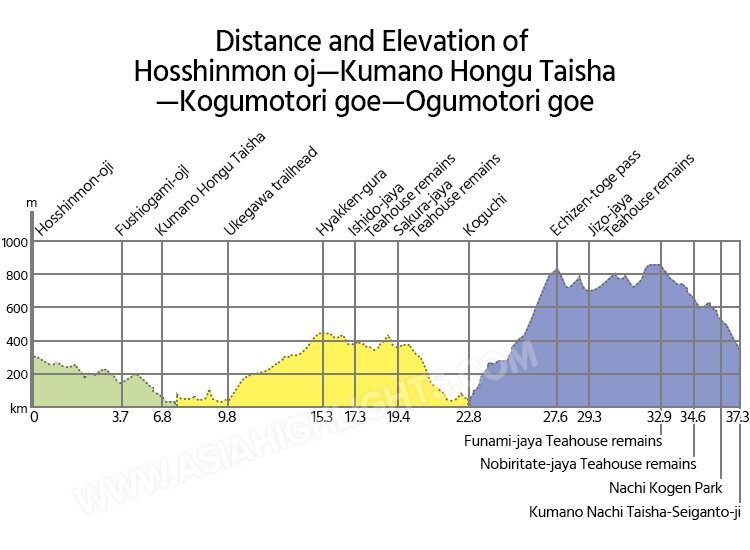
Distance and Elevation along the Nakahechi Routes
1. Hosshinmon-oji to Kumano Hongu Taisha
- Distance: about 7 km (4 miles)
- Difficulty: easy
- Walking time: 2–3 hours
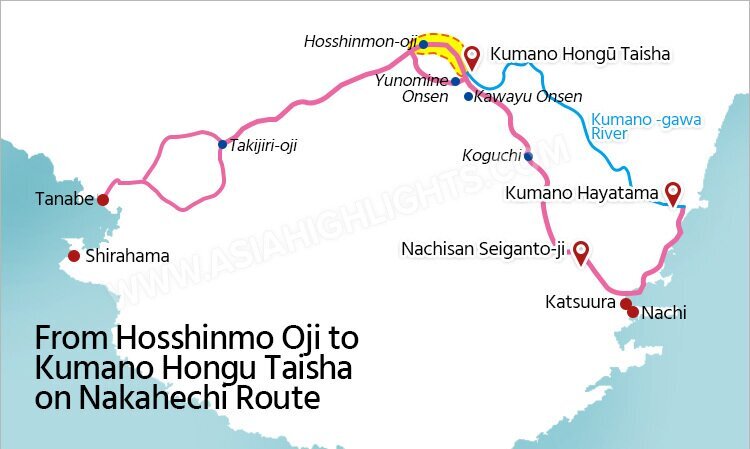
It's a classic beginner route that allows hikers to enjoy peaceful views of tranquil pilgrimage paths, forests, and shrines.
This route is the gentlest section of the Kumano Kodo trail and the shortest way to achieve Dual Pilgrim status. It has no steep slopes as it winds through the forest, making it suitable for children aged 10 and up.
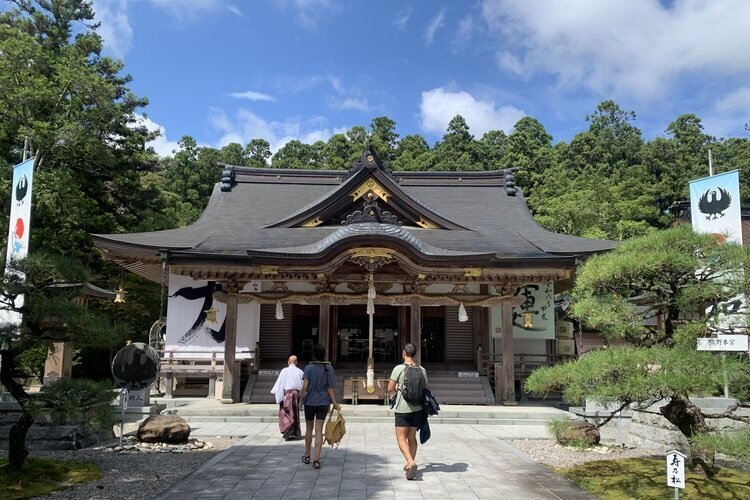 Kumano Hongu Taisha
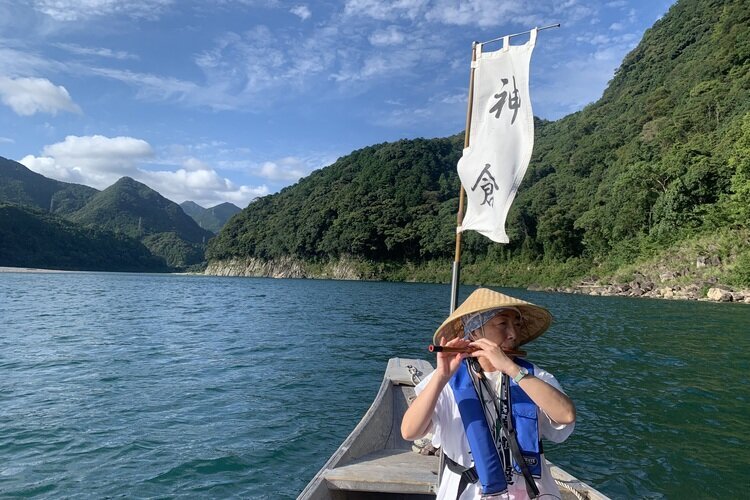
If you want a more relaxing and enriching experience, after completing the hike, you could take a 30-minute bus ride to enjoy a boat trip along the Kumano River from Kumano Hongu Taisha to Kumano Hayatama Taisha. In just 90 minutes, you would experience the unique waterway that ancient nobles traversed during their pilgrimages.
If you still have energy, you could choose to take a bus to Daimon-zaka and then hike from Daimon-zaka to Nachi. This section consists of stone steps and is challenging, requiring at least an hour. You could also experience local costume hiking, taking photos, and visiting attractions.
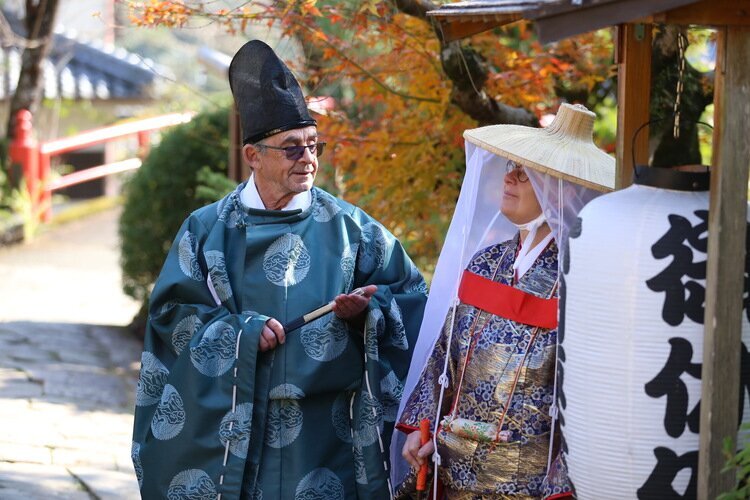 Our Customers Dress Up in Ancient Japanese Style at Nachi Mountain
These activities are not too tiring, making them perfect for a half-day trip if you arrive at noon, or you could combine them as part of your first-day adjustment for the hike.
If you want a more immersive experience, we recommend the 4-Day Koyasan and Kumano Kodo Walking Tour
2. Kogumotori-goe(Between Koguchi and Ukegawa in Hongu, Either Direction)
- Distance: 13 km (8 miles)
- Difficulty: moderate
- Walking time: 4½–6 hours

This section features steeper climbs and a longer walking distance. You would pass through forests and ridges, with a climb to Hyakken-gura, where you could enjoy views of the Kumano mountains. Be cautious on the sloped steps as they could be slippery with moss when wet.
Rest areas on the route: Sakura-jaya Teahouse and Ishido-jaya Teahouse remains.
Tips:
Accommodation options in Koguchi are limited, so it's recommended to hike from Koguchi to Hongu Taisha and then take a bus or car to stay in Kawayu Onsen or Yunomine Onsen.
There are no restaurants along the route, so be sure to prepare your own lunch.
3. Ogumotori-goe (Kumano Nachi Taisha to Koguchi, Either Direction)
- Distance: 14.5 km (9 miles)
- Difficulty: hard
- Walking time: 5½–7 hours
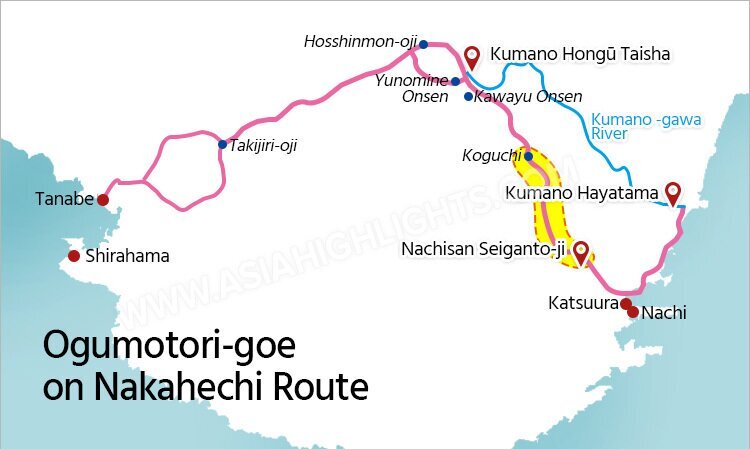
The most challenging part of the Nakahechi route is also its highlight. The trail winds through steep slopes, with some stone steps covered in moss.
In the first segment, the elevation increases by 800 meters (2,625 feet) over approximately 5 kilometers (3 miles). Along the way, you could enjoy stunning views of the Pacific Ocean and the picturesque Katsuura fishing village.
Breaks and facilities: There are 3–4 teahouses where you could rest and use the restrooms. However, there are no restaurants or accommodation along this route, so it is not recommended for beginners or those with limited stamina.
2. Ohechi Route: Perfect Rest Place with a Coastal View
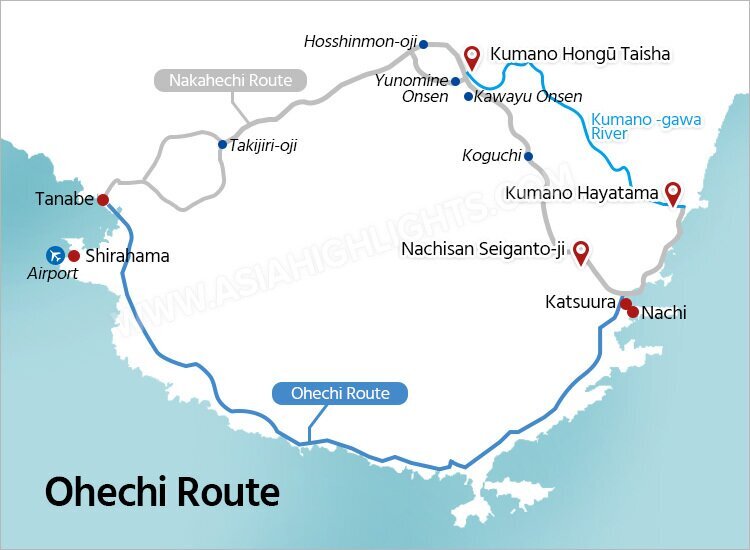
The Ohechi coastal route is renowned for its coastal scenery. It primarily features roads and paths, with fewer hiking trails. It mainly serves as a transit and rest stop for those walking the Kumano Kodo pilgrimage routes.
The highly recommended areas are Shirahama and Katsuura, both of which boast excellent geographic locations and beautiful scenery.
Katsuura is a coastal town that developed as a lodging area for visitors to the Kumano Nachi Taisha. The town attracts pilgrims with its hot spring inns, ocean-view activities, and delicious tuna dishes, making it an ideal spot for relaxation and leisure.

At Katsuura Fish Market, visitors can witness the tuna auctions, which take place at Japan's largest tuna port. Auctions begin at 7 am and typically conclude around 7:40 am. Note that these auctions do not occur daily, so it's advisable to check the schedule in advance.
Shirahama is home to two geological wonders: Sandanbeki and Senjo-jiki. The rocks at Sandanbeki have been shaped into fascinating formations by the sea, and the cliffs are truly impressive.
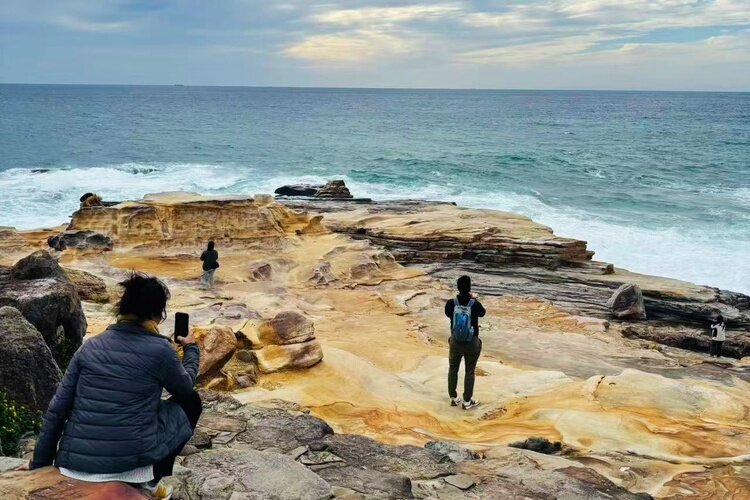 Kumano Kodo, Shirahama
If you plan to return to Osaka after exploring the Kumano Kodo, it takes about 3–4 hours. Consider stopping over or staying overnight in Shirahama for a more relaxed experience.
How Long Does It Take to Hike the Kumano Kodo?
If you complete the entire Nakahechi route, it typically takes about 5 to 6 days.
If you start at Hosshinmon-oji and complete all three sections we have recommended, you would need at least 2½ to 3 days.
If you only select two parts of these trails, including accommodation and transfers, you could have a comfortable experience in at least 2 days.
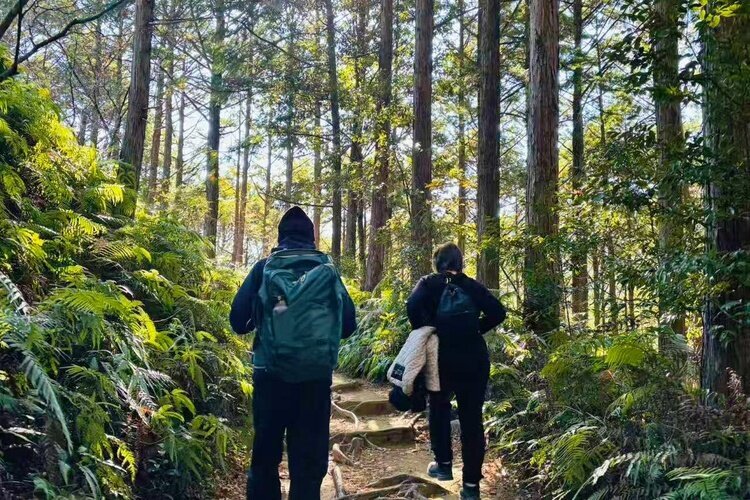 Kumano Kodo, Nakahechi Route
The trek from Hosshinmon-oji to Kumano Hongu Taisha takes about half a day. If you connect via water routes, you could visit for river views and relax in the hot springs afterward as a day tour.
If you don't want to visit the waterway, you could hike the 1–2 km (0.6–1.2 miles) from Daimon-zaka to Kumano Nachi Taisha to experience local costumes and visit Nachi Waterfall.
For a moderately difficult trek covering two sections, you would need at least 2 days. Start by hiking from Hashinmon to Kumano Hongu Taisha, spend a night in Kawayu or Yunomine Onsen, and then take a bus to Koguchi. From Koguchi, hike back to Kumano Hongu Taisha.
Best 3-Day Kumano Kodo Hiking Itinerary
For most visitors, we recommend spending three days to experience the classic Kumano Kodo highlights at a comfortable pace.

Day 1: Arrive in Shirahama, visit Sandanbeki and Senjojiki, and stay in a seaside onsen hotel.
Day 2: Nakahechi: Hosshinmon-oji → Kumano Hongu Taisha, Kumano River Waterway, and Kumano Hayatama Taisha.
Day 3: Katsuura Fish Market, then Daimon-zaka → Nachi Taisha → Seiganto-ji → Nachi Waterfall.
If you only have one day, the Nachi Pilgrimage Route is the best choice. It is the shortest route with Kumano's most iconic scenery, though the itinerary can feel quite rushed.
Have two days? Combine Hosshinmon-oji → Kumano Hongu Taisha with the Nachi Pilgrimage Route, then visit the Ohechi coastal scenery.
If you have limited time, we can also arrange a day trip for you. Feel free to contact us to customize your hiking experience.
Where to Stay in the Kumano Kodo

For most travelers, Katsuura and Shirahama are the best accommodation choices because they offer convenient connections before or after your Kumano Kodo hike. You will enjoy a different side of Kumano with dramatic Pacific Ocean scenery, seaside towns, hot springs, and fresh seafood.
Katsuura is the best base if you plan to hike the Nachi Taisha or Nachi area, with easy access to coastal ryokans and hotels.
Shirahama is a convenient stopover when arriving in Tanabe, the closest city to the Kumano Kodo trailhead, or returning to Osaka or Kyoto after your hike.
Osen areas near Hongu Taisha are best for hikers who want direct access to the main Kumano Kodo trails and traditional onsen towns.
The Best Times to Visit the Kumano Kodo
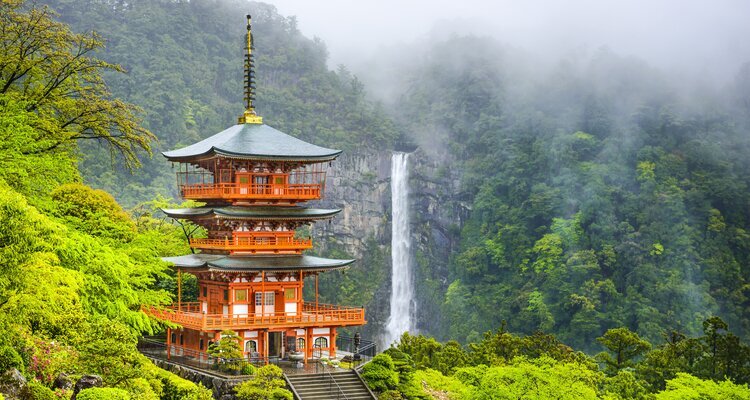 Seiganto-ji Temple, Nachi waterfall
The Kumano Kodo is open year-round. The best times to hike are in spring (March to May) and autumn (September to November). During these months, the weather is pleasant, with comfortable temperatures, low humidity, and minimal rainfall.
Spring offers lush greenery, while autumn showcases vibrant forest colors, making both seasons ideal for hiking.
September is a time when typhoons are common, but their occurrence can be unpredictable, so it's important to stay updated on weather conditions.
In winter, daylight hours are short, with sunset occurring at about 5:30 pm. It's advisable to start your hike early to reach your destination before dark, as hiking at night could be dangerous. Some trails may also be icy, so wearing non-slip shoes is essential.
The rainy season typically occurs from late May to June, when heavy rainfall could make trails slippery and may even lead to landslides. It's best to avoid hiking during this period.
How to Get to the Kumano Kodo from Kyoto, Osaka, or Tokyo

Tanabe is the main gateway to Kumano Kodo. From Kyoto or Osaka, take a train to Tanabe, then transfer by bus or car to the trailheads. From Tokyo, the fastest option is flying to Nanki-Shirahama Airport.
Tokyo to Kumano Kodo
Take the Shinkansen to Shin-Osaka: Board the Tōkaidō Shinkansen (such as the "Nozomi" or "Hikari") from Tokyo Station to Shin-Osaka Station, which takes about 2½ hours.
Transfer to the Limited Express to Kii-Tanabe:
From Shin-Osaka Station, take the JR Limited Express "Kuroshio" to Kii-Tanabe Station, which takes approximately 1½ hours.
Alternatively, you could take a flight from Tokyo to Shirahama, taking about 1 hour.
Osaka to Kumano Kodo
Take the Limited Express to Kii-Tanabe:
From Osaka Station or Tennoji Station, board the JR Limited Express "Kuroshio" to Kii-Tanabe Station, which takes about 2½ hours.
Kyoto to Kumano Kodo
Take the Limited Express to Kii-Tanabe:
From Kyoto Station, take the JR Limited Express "Kuroshio" to Kii-Tanabe Station, which takes approximately 2½ hours.
How to Pack for a Hiking Trip along the Kumano Kodo
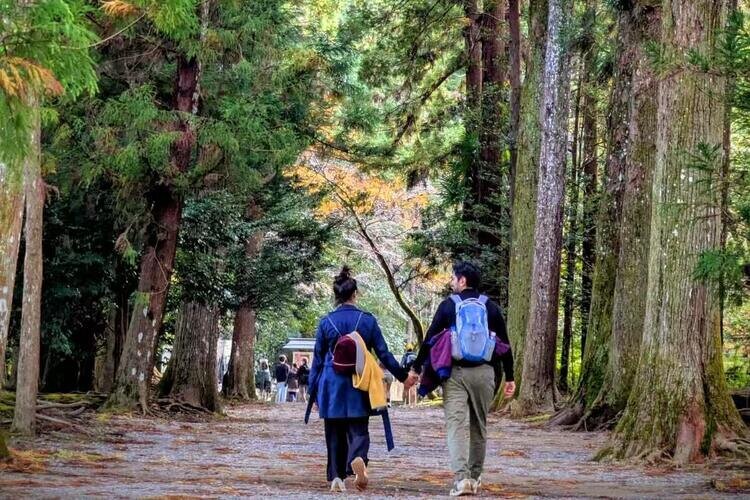
Essential items include hiking shoes, a backpack, trekking poles, knee pads, outdoor clothing (such as a waterproof jacket), and a raincoat.
Packing for hiking: The Kumano Kodo is not considered a heavy trekking route, so you only need to carry enough for up to 4 days. Be sure to take sufficient snacks and water, especially for sections like Kogumotori-goe to Ogumotori-goe, where there are no vending machines or shops.
Luggage handling: If you're traveling with large items, such as suitcases, consider using a luggage delivery service to send them directly to your booked hotel. You could reserve this service through the Kumano Kodo official website. Some hotels offer paid delivery services, and convenience stores also provide similar options, typically with next-day delivery.
Alternatively, you could pack only the essentials and store your larger item of luggage at a hotel in Wakayama or Kii-Tanabe, then return by bus to collect it after your hike.
FAQs on Hiking on Kumano Kodo
1. Do you need a car to visit Kumano Kodo?
Yes, it can make the trip much easier and more flexible.
Trains from Osaka can take you to the Kumano Kodo area via Kii-Tanabe, but reaching trailheads often requires an additional bus ride of around one hour, and bus schedules are limited.
A private car with a guide is a convenient option for travelers who want to save time, avoid complicated transfers, and better understand the history along the route.
2. What other destinations can I combine with Kumano Kodo?
Kumano Kodo is often combined with Koyasan, another UNESCO World Heritage pilgrimage site. A popular route is Osaka/Kyoto → Koyasan → Kumano Kodo → Osaka/Kyoto or your next destination, offering a deeper experience
3. Is luggage forwarding available on Kumano Kodo?
Yes, luggage forwarding services are available for some routes and accommodations.
Many hikers carry only a daypack while their larger luggage is transferred between hotels, making multi-day hiking much more comfortable. Check availability in advance, as services depend on your route and accommodation.
4. Do I Need Hiking Poles and What Should I Wear?
Using hiking poles could be quite beneficial when hiking the Kumano Kodo, especially on steep or uneven steps. They help reduce strain on your knees.
Wear breathable and moisture-wicking clothing. Even in the summer, it's better to wear long-sleeved shirts and long pants as they provide sun protection and help prevent insect bites.
5. Are There Bears and Snakes?
Yes. Japanese pit vipers are found along the Kumano Kodo, especially in warmer months. Wear long sleeves and pants, and watch where you step. Hiking poles can help keep a safe distance from wildlife.
Bear encounters are rare, but some trails have bear warning signs. Carry a bear bell if you're concerned.
6. Can You Walk Alone?
It's recommended to hike with others and inform someone of your itinerary. That way, if any unexpected situations arise during your journey, you could receive help promptly.
7. Can You Cycle in the Kumano Kodo?
Cycling is not permitted along the Kumano Kodo trails; they are designated for walking only.
8. How Can I Deal with Rubbish?
There are very few public trash bins along the trail. Please carry all of your rubbish. Place your trash in a plastic bag, and you could dispose of it at the next accommodation stop.
How to Get to the Dual Pilgrim Status in the Kumano Kodo
If you wish to get the Dual Pilgrim Credential, you could pick up a Dual Pilgrim passport. Choose one of the routes in the Kumano Kodo area and collect stamps along the way at designated locations.
- Takijiri-oji to Kumano Hongu Taisha on foot (~38 km/24 miles)
- Kumano Nachi Taisha to/from Kumano Hongu Taisha on foot (~30 km/19 miles)
- Hosshinmon-oji to Kumano Hongu Taisha on foot (~7 km/4 miles) plus a visit to Kumano Hayatama Taisha and Kumano Nachi Taisha
- Koyasan to Kumano Hongu Taisha on foot (~70 km/43 miles)
For more details about the Dual Pilgrim status, you should check Kumano Kodo Dual Pilgrim.
Let's Help You Arrange Your Hiking Trip in the Kumano Kodo
The Kumano Kodo official website provides detailed information about each segment of the hiking routes. However, due to the extensive information and long routes, it could be challenging to search for what you want. If you have any questions about planning your Kumano Kodo hiking itinerary or need assistance, feel free to contact us. We'll help you create your Japan itinerary based on your preferences.