Japan is a top destination for family travel. One big reason is its well-developed transportation system.
But if it's your first trip to Japan with kids, it may feel a little overwhelming. How much do Shinkansen tickets cost for your children? Can you bring a stroller on the train? Should your family get IC cards for the subway?
In this article, I'll share what I learned from my three trips to Japan. Each type of transportation has its own tips. These will help you get around more easily and enjoy a smoother family trip.
When Riding the Shinkansen Between Japanese Cities
 Shinkansen
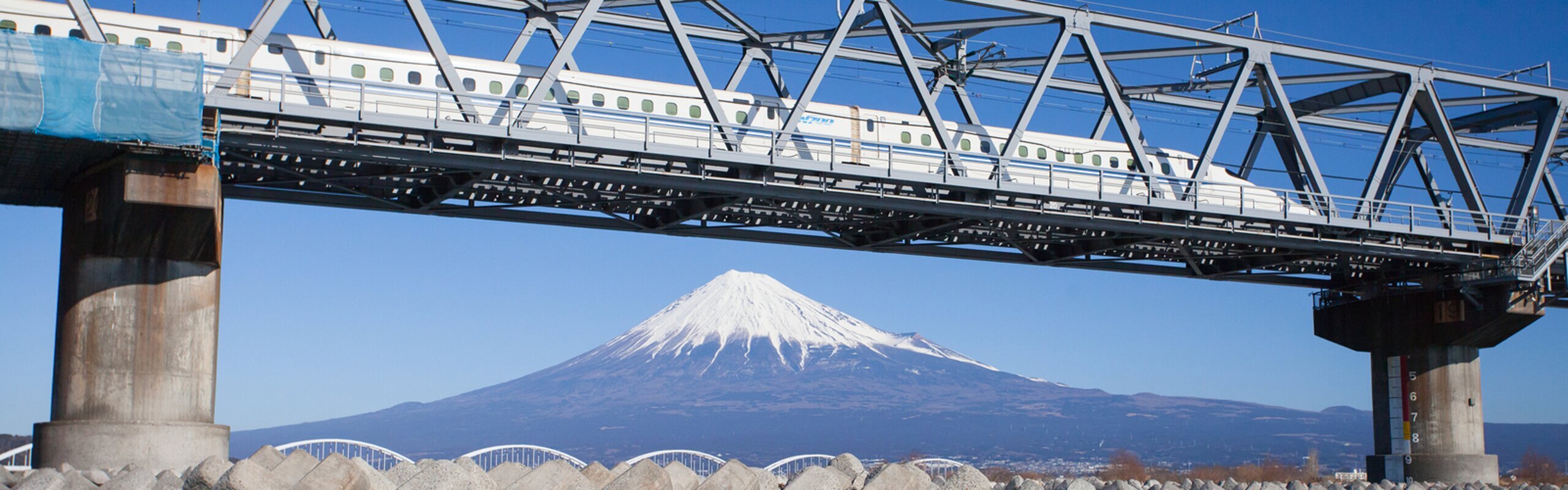
Taking the Shinkansen is a must for families in Japan. You'll reach your destination quickly and comfortably, and your kids will be excited as the train speeds through cities and countryside at 270–320 km per hour.
Here are some tips to help your family enjoy a smooth ride.
1. Buy Reserved Seats So Your Family Can Sit Together
Reserved seats on the ShinkansenBooking reserved seats is always the best choice for families! You and your kids can pick your favourite seats and sit together.
We don't recommend non-reserved seats. They are a little cheaper, but first-come, first-served. Your family might not sit together, and if all the seats are taken, you may have to stand, especially on weekends or holidays.
If you luggage is oversized(with total dimensions between 160 and 250 cm), you need to book a seat with an oversized baggage compartment.
2. Buy Half-Price Tickets for Your Kids Aged 6–11
When riding subways and Shinkansen (bullet trains) in Japan, children's fares depend on age. Here's a quick breakdown:
- 0 - 6 years old (under 6): Free. If your child just turned 6 but hasn't started school yet, they can still ride for free. Each adult can take up to two kids in this age group at no charge.
- 6 to 12 years old (under 12): Half-price tickets.
- 12 years and older: Adult fare. But if your kid is 12 and still in elementary school, they can ride for half price.
On a reserved seat on the Shinkansen, kids aged 0 to 6 sit on your lap since they don't have their own ticket. If there's an empty seat nearby, it's ok to let your kid take it.
3. Bring a Folded Stroller on the Train
If your little one still needs a stroller, bring a foldable one to Japan. Non-foldable strollers might not fit through some ticket gates or luggage areas.
Most trains and subways in Japan have cars with priority areas for strollers and wheelchairs.
Don't worry if you didn't bring a foldable stroller. You can easily find lightweight, compact strollers at major baby stores in Japan.
If you don't want to buy one, you can rent one at airports or train stations in big cities like Tokyo, Kyoto, and Osaka.
4. Arrive at the Train Station 30 Minutes Early Before Your Shinkansen Ride
Generally speaking, arriving 30 minutes before your Shinkansen is enough. There are no security checks, the signs are easy to follow, and the Shinkansen entrances are close to the platforms.
If you book with us, our private guide will pick up your train tickets before you leave the city, ensuring your ride goes smoothly.
5. Follow the Train Time on Your Ticket
Train stations and trains in Japan have English announcements. But what if you're talking to your kids and don't hear them clearly?
Here's my little trick: get on and off the train according to your ticket time!
Japan's trains are famous for being on time. Just follow the departure and arrival times on your ticket, and they almost never go wrong.
6. Deliver Your Luggage to Your Next Hotel
Japan's luggage delivery serviceJapan luggage delivery serviceIf your family has a lot of luggage and you're worried about taking it on the Shinkansen, it's smart to have it delivered to your next hotel.
Japan's luggage delivery service makes traveling around much easier. Just carry a small suitcase with your family's daily essentials, and send the rest to your next hotel or the airport.
Most 3-star hotels and above offer this service. Your luggage usually arrive the same day or the next day.
Sending one piece of luggage usually costs $13 to $17, depending on the distance and bag size. It might be the best money you spend in Japan!
7. Take the Elevators at Stations to Save Energy
Elevators in a Japanese train stationMany train stations in Japan have elevators, which makes traveling easier for families with a stroller or lots of luggage.
We recommend planning an extra 15 to 25 minutes for your travel. Finding the elevators can take a little time, and sometimes there's a line to use them.
Some smaller or older stations only have stairs.
8. Follow the Clear English Signs in the Stations
Clear English signs in train stationsTrain stations in Japan have clear English signs. Follow them, and you'll have no trouble finding your platform or train.
The ticket machines also have an English option, and they're really easy to use.
If you're not sure where to go or how to buy a ticket, just ask a station staff member. They're usually happy to help, and some speak basic English.
9. It's Not Recommended to Buy a JR Pass
A JR Pass isn't worth it for families taking a slow, relaxing trip. It costs about US$300 for 7 days, US$500 for 14 days, and US$600 for 21 days. You would need to use it every day to get your money's worth.
The JR Pass only works on JR lines. You can't use it on the fastest Shinkansen trains or on subways.
If you're not sure whether to get a JR Pass, try using a Japan route planner like NAVITIME to add up the cost of each JR train ride on your itinerary. If the total is higher than the price of the Pass, then it makes sense to buy one.
When Taking the Subway to Explore Cities in Japan
Our clients at a Tokyo subway stationThe subway system in Japan is large and can be confusing, especially in Tokyo. Riding the subway is an affordable way to explore the city, but it can be tiring. Here are some tips for a smarter subway journey.
1. Get a Suica or ICOCA Card
SuicaAn IC card like Suica or ICOCA makes traveling on subways, buses, and JR trains in Japan easy and stress-free.
It saves you from lining up for tickets, digging for exact change, and worrying about your kids losing paper tickets. You can also pay directly at convenience stores across Japan.
Suica and ICOCA work throughout the country. You just need to choose one based on your first stop. They also have child cards for kids aged 6–11, which give a 50% discount on fares.
- Arriving in Tokyo? Get a Suica. You can buy one at Haneda or Narita Airport, or at major train stations like Shinjuku, Tokyo, Shibuya, and Shinagawa.
- Arriving in Osaka? Get an ICOCA. Pick one up at Kansai International Airport or at major stations like Osaka and Kyoto.
We recommend adding the card to the Wallet app on your iPhone (Android doesn't support this yet). That way, you don't have to worry about losing a physical card.
2. Avoid Rush Hour When Riding the Subway
You've probably seen those videos online: Tokyo subway cars packed like sardines, with staff apologizing as they push people through the doors. You and your kids want to try Japan's subways, but you don't want to become a sardine yourself. So what can you do?
The answer is simple: avoid rush hour.
In Japan, morning rush hour is usually from 7 to 9 a.m., and evening rush hour is from 5 to 7 p.m. Travel outside these times, and the subways are much less crowded, more comfortable, and you might even get a seat.
3. Use Google Maps to Figure out Your Route
Trust me, Google Maps is your best friend for getting around Japan.
It shows the best route, keeps your family on track, points out the easiest station entrance, tells you which train car to take, and shows exactly which platform to get off at.
If you're traveling with lots of luggage or a stroller, don't forget to choose the wheelchair-accessible route. It gives directions using elevators and avoids stairs.
4. Combine Subways and Private Cars to Keep Your Kids from Getting Tired
Our clients travel using our private carJapan's subway is convenient, but hopping on and off trains all day with kids can easily walk over 20,000 steps. Your little ones may get sore legs and tired feet, and by the afternoon, they might be too tired to explore.
If you're heading to a remote area, you could spend more time on the road than actually exploring.
A private car solves all of this! You can go directly from your hotel to the attractions, have more time and energy to fully explore, and kids won't get tired.
We recommend mixing private cars with subways. Spend a day exploring Tokyo by subway, and use private cars for the rest of your trip. This way, you get to try different types of transport and save money compared to using a car all the time.
Sounds great? Contact us now, and our expert Japan travel advisors will create a trip just for your family. We'll take care of everything—transportation, hotels, itinerary, and balance everyone's interests.
When Using Taxis to Get Around Cities in Japan
Taking a taxi is a smart way to get around when your kids are really tired. For a family, it's not as expensive as you might expect. Here are some helpful tips.
Taxis in Japan1. Give Taxis a Try If Your Family has Three or Four People
When three or four family members share a taxi, the cost per person is quite reasonable.
We recommend taking a taxi for trips under 5 kilometers because the price is affordable. The three of us once took a 4-kilometer ride in Osaka for US$13. Honestly, it was money well spent.
2. Take a Jumbo Taxi if Your Family Has 5–9 Members
Regular taxis in Japan usually fit only four people. If your family has 5–9 members, a jumbo taxi is a better option. This way, everyone in your family can ride together in one car, with enough room for luggage.
Book a jumbo taxi in advance using the GO app, Japan's largest taxi-hailing app. Since there aren't many of these vehicles on the road, it's unlikely you could just flag one down. The app also lets you request one on demand, but in busy seasons, you might not get one right away.
3. Don't Try to Open the Car Door on Your Own
In Japanese taxis, the driver operates the doors, so you don't need to close them yourself. Slamming the door is actually considered rude in Japan.-
Your Perfect Family Trip to Japan Starts Here
Our family client exploring Japan with our local guideJapanJust tell us what your family wants to do in Japan, and our travel advisors will create a custom itinerary, balance everyone's interests, and take care of all the details.
Here are some of our hand-picked Japan family tours for your inspiration:
- 8-Day Essential Japan Family Trip with Culinary Delights
- 10-Day Japan Family Tour: Samurai & Ninja Adventure
- 13-Day Japan Family Vacation with Theme Parks