
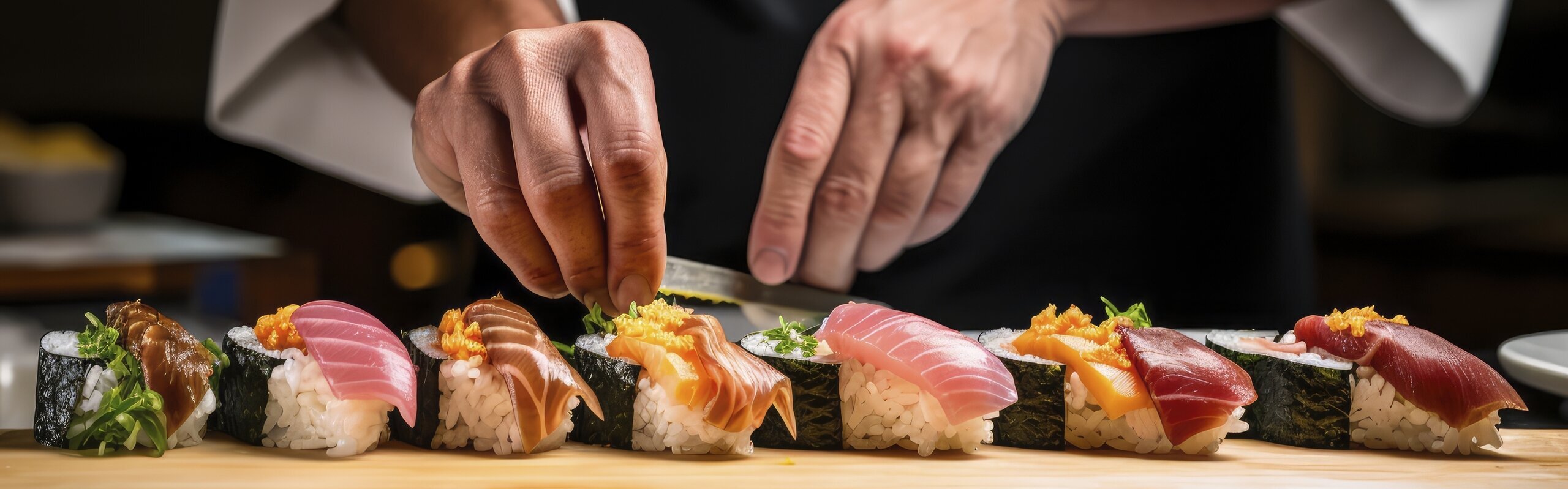
Tokyo is one of the best food cities in the world, with endless amazing Japanese and international food to try.
From Michelin-starred sushi and high-end omakase to tiny ramen shops and cheap street snacks, there's something here for every budget and travel style.
We've picked some of the best dining areas and restaurants for different kinds of food experiences.
Where to Eat in Tokyo: Must-Eat Areas & Restaurants
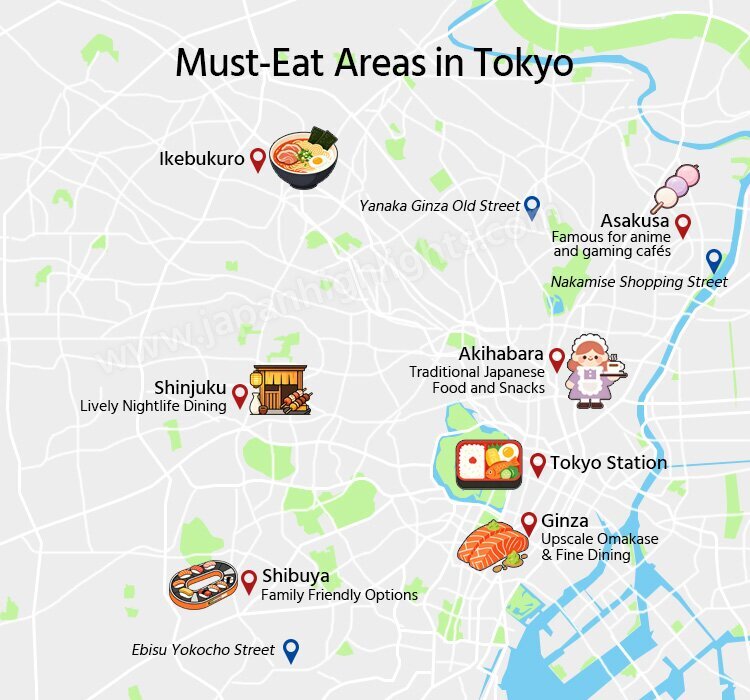
Tokyo's best food areas include Shibuya, Shinjuku, Ginza, Asakusa, Ueno and Akihabara. Each place gives you a different taste of the city.
Shibuya & Shinjuku: Lively nightlife, late-night izakaya dining, wagyu restaurants, conveyor belt sushi, Japanese curry, and casual ramen spots.
Ginza: Tokyo's top area for fine dining, upscale sushi, handcrafted omakase, and premium wagyu beef.
Asakusa:Traditional Japanese snacks and street food in a nostalgic old Tokyo atmosphere, including okonomiyaki (savory pancake), takoyaki (octopus balls), and classic local sweets.
Ueno: Affordable local dining with casual izakaya, yakitori (grilled chicken skewers), tonkatsu (breaded pork cutlet), and street food.
Akihabara:Famous for themed cafés, anime and gaming restaurants, maid cafés, and casual late-night dining popular with young people.
Ikebukuro & Tokyo Station:Popular ramen destinations, especially for ramen lovers looking for famous ramen shops and "Ramen Street."
Shibuya Restaurants: Family Friendly Options
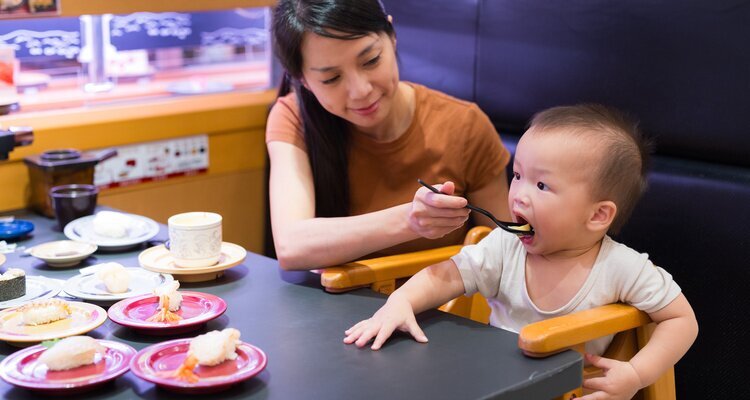
Shibuya has plenty of affordable food options, and you can easily find all kinds of Japanese food within walking distance of the subway station.
The area is very family-friendly, with everything from casual Japanese restaurants to Western dining options.
Sushi Ginza Onodera Musuko Shibuya
- Access: About a 6-minute walk from Shibuya Station
- Address: Kusumoto Building B1F, 1-3-3 Dogenzaka, Shibuya-ku, Tokyo
Here, you can enjoy fresh, high-quality ingredients at a relatively affordable price. You can also watch the chefs prepare the sushi right in front of you. The tuna and sea urchin tamagoyaki are especially worth trying.
Dogenzaka Mammoth (Ramen / Tsukemen)
Access: About a 7-minute walk from JR Shibuya Station
Address: 2-10-1 Dogenzaka, Shibuya-ku, Tokyo
This is a very small local ramen shop known for its rich seafood-based broth and chewy tsukemen noodles. The restaurant only has around 10 seats, so expect a cozy and lively atmosphere.
If you prefer a more spacious place that is also popular with international visitors, you can try Menya Musashi, which is also located near Shibuya Station.
Shinjuku Restaurants: Lively Nightlife Dining
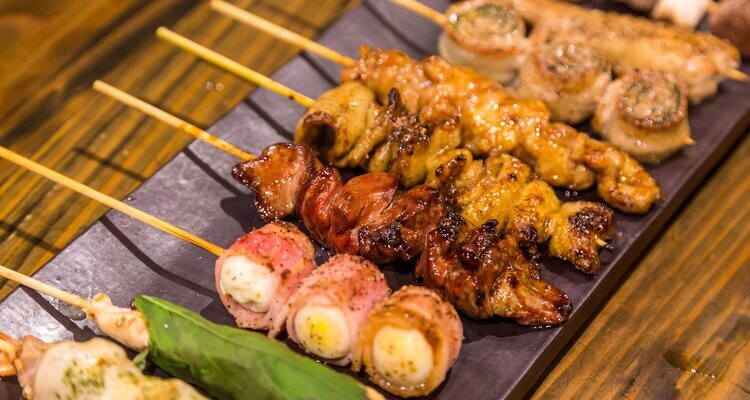
Shinjuku is famous for lively nightlife dining scene, with countless bars, street-side eateries, and late-night izakayas. Better suited for couples and groups of friends.
Yakitori Ruike
- Access: About a 5-minute walk from Shinjuku Station
- Address: KS SQUARE 1F, Shinjuku
If you're into proper yakitori (Japanese grilled chicken skewers), this is a great spot. You can try juicy heart skewers and melt-in-your-mouth liver.
Here, the chef serves skewers one by one, and you usually finish with chicken ramen or dessert.
Hakata Kozara Teppan Beppinshan
- Access: About 3–4 minutes walk from Shinjuku Gyoenmae Station (Marunouchi Line)
- Address: Shinjuku 1-31-16 Yano Building 1F, Tokyo
This is a small plates teppan bar. People come here for a "little luxury but still casual" vibe. You can sit at the counter and relax while everything is grilled fresh in front of you. Saga beef, Hita yakisoba, and natural wines are must-try.
Ginza Restaurants: Upscale Omakase & Fine Dining
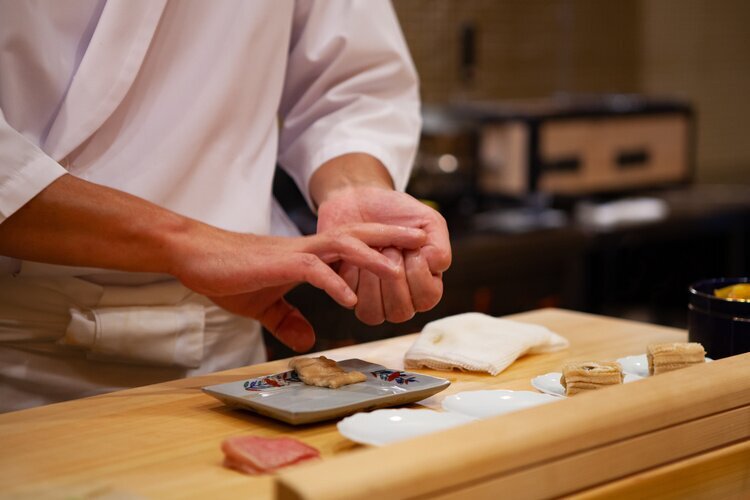
Ginza is one of Tokyo's best areas for high-end dining. You can enjoy excellent service and refined Japanese cuisine here, including premium omakase, sushi, seafood, and wagyu. Most upscale restaurants in the area require advance reservations.
Ginza Shinohara
- Access: About a 3-minute walk from Tokyo Metro Ginza Station
- Address: Habiul Ginza 2 B1, 2-8-17 Ginza, Chuo-ku, Tokyo
Here, you can enjoy high-end Japanese cuisine with an impressive variety of seasonal dishes. The menu may include crab, caviar, eel, fugu, and even sukiyaki served with bear meat and lobster. Every course is not only delicious but also beautifully plated like a piece of art.
This restaurant is extremely popular, so reservations should be made at least 3 months in advance. Phone reservations are accepted only between 12:00 PM and 3:00 PM.
If you can't get a reservation, you can also try Kitagawa. It is also an omakase-style restaurant with seasonal presentation and decorations, and it is usually easier to book. One week in advance is enough.
Ginza Kitafuku
- Access: About 300 meters from Ginza Station
- Address: Ginza 745 Building 3F, 7-4-5 Ginza, Chuo-ku, Tokyo
It's a great place to experience how seriously Japan takes freshness and seasonal seafood.
Here, you can enjoy a whole fresh crab prepared in seven different ways just for you. You can also watch the chef carefully prepare the crab right in front of you.
Asakusa Restaurants: Traditional Japanese Food and Snacks
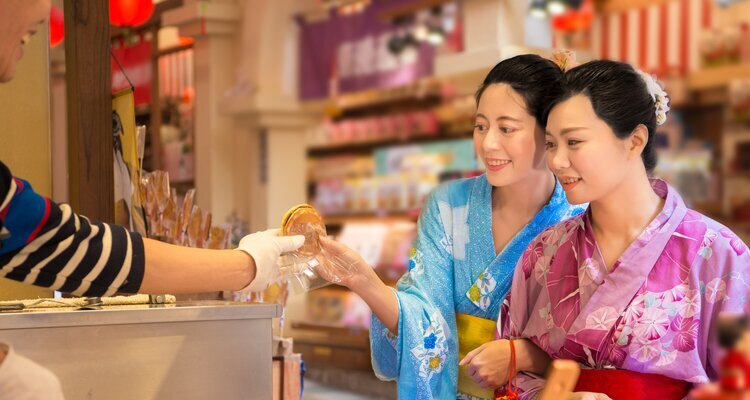
Asakusa is all about old Tokyo street food and traditional flavors. You'll find sizzling teppanyaki-style dishes (cooking food on a hot iron plate), Japanese cutlets, taiyaki (fish-shaped cake), and classic snacks around Senso-ji Temple.
The area is very popular with tourists, so well-known restaurants often have queues.
Asakusa Monja Monro
- Access: About a 3-min walk from Senso-ji
- Address: 1-41-2 Asakusa, Taito-ku, Tokyo
This is a very popular teppanyaki-style restaurant among locals. Ingredients are fresh and often sourced directly from the market. The seafood grill is a must-try.
Each dish is cooked right in front of you by the staff. If you want, you can also try cooking, and the staff will guide you.
Asakusa Menchi
- Access: About a 3- minute walk from Senso-ji
- Address: 2-3-3 Asakusa, Taito City, Tokyo 111-0032, Japan
This shop is famous for its signature deep-fried minced meat cutlet, a perfect snack while exploring Asakusa. Crispy on the outside, juicy and tender on the inside, it's packed with rich meat juices. Please note that this shop only accepts cash payments.
How Much Does It Cost to Eat in Tokyo?
| Dining Type | Average Price |
|---|---|
| Street Food & Local Snacks | USD 3–10 (JPY 500–1,500) |
| Casual Ramen / Curry / Donburi | USD 7–15 (JPY 1,000–2,200) |
| Conveyor Belt Sushi | USD 15–30 (JPY 2,000–4,500) |
| Izakaya Dinner | USD 30–60 (JPY 4,500–9,000) |
| Wagyu BBQ / Yakiniku | USD 50–120 (JPY 7,500–18,000) |
| Omakase Sushi | USD 120–400+ (JPY 18,000–60,000+) |
| Michelin Fine Dining | USD 200–600+ (JPY 30,000–90,000+) |
Top 3 Food Streets in Tokyo
In addition to sit-down restaurants, Tokyo's food streets are well worth dedicating a mealtime to explore. Stroll as you eat and immerse yourself in the city's lively street food culture.
Nakamise Shopping Street
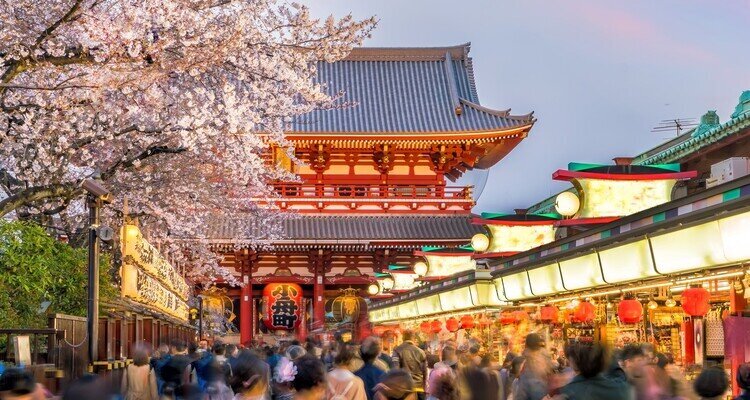
- Access: About a 2minute walk from Senso-ji
This historic shopping street is lined with traditional snack stalls. It is the best places to enjoy Japanese street food after visiting Senso-ji.
You can try local favorites like sea urchin, sashimi, grilled seafood, and unagi rice. You can also stop by a classic local coffee shop once loved by John Lennon for a relaxing cup of coffee.
If you'd like to know which shops are really worth trying, you can join our food tour. We'll take you to some of the best hidden local spots one by one.
Yanaka Ginza Old Street
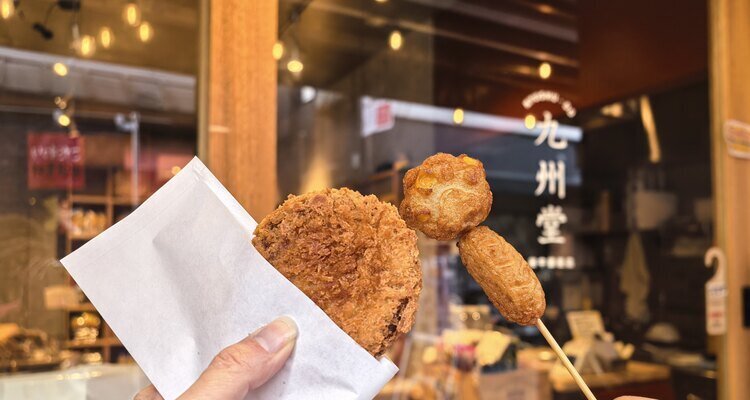
- Access: About a 5-minute walk from Nippori Station
- Address: 3 Yanaka, Taito City, Tokyo
Unlike Tokyo's busy modern food districts, Yanaka Ginza is loved for its nostalgic old Tokyo atmosphere, quiet local streets, and traditional family-run snack shops. It's one of the best places to experience a slower and more authentic side of Tokyo food' charm.
We've picked the best things you should try here.
You can start with senbei (freshly grilled rice cracker), then try a grilled meat patty next. For something sweet, go for miso dango with matcha for a traditional taste, or choose red bean cheesecake mochi for a modern twist.
Don't miss the cat tail donut. Near the cat shrine area, you can try cat-shaped curry rice or ramen. You end your walk at a small local izakaya with a glass of sake or beer.
If you'd like more details, feel free to contact us. We carefully design different experiences for families and couples.
Ebisu Yokocho Street
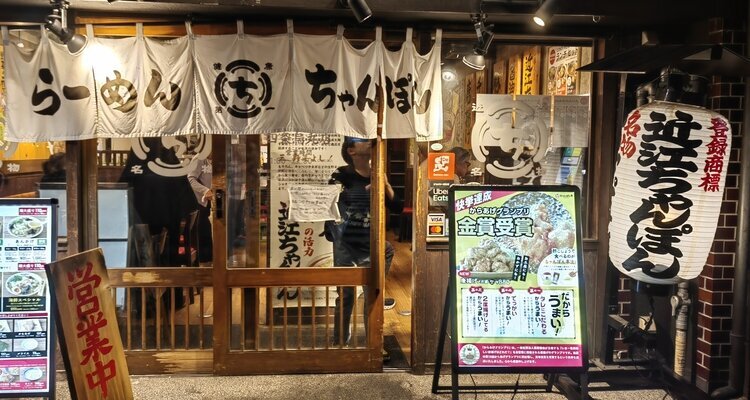
- Access:About 3 minutes from Shibuya by JR Yamanote Line
- Address: 1-7-4 Ebisu, Shibuya City
Ebisu Yokocho is a lively alley where many Tokyo locals come after work to eat and drink. Dozens of tiny restaurants and bars are packed together, so you can experience many different kinds of Japanese small dishes and izakaya culture all in one place.
Some popular foods worth trying here include wagyu beef, Japanese gyoza (dumplings), motsunabe (Japanese beef offal hot pot), yakitori (Chicken BBQ), grilled seafood, and local Japanese drinks like highballs and sour cocktails.
Tokyo Dining Tips
- How to find a good Restaurant: Use the local restaurant search platform Tabelog (tabelog.com/en) to find restaurants.
You can filter by area and cuisine type, and restaurants with ratings above 3.5 are usually a good choice. It also provides useful details such as reservation options, addresses, and opening hours, with multilingual support. - Many popular restaurants in Tokyo have a 2-hour dining limit. It's common in busy or high-demand spots, so confirm in advance to avoid rushing your meal.
- Tipping is unnecessary in Tokyo restaurants. However, some upscale restaurants and izakayas may add a service charge or table charge to the bill.
- Carry some cash. While credit cards and mobile payments like PayPay are becoming more widely accepted, many small restaurants, street food stalls, and traditional izakayas still prefer cash.
- If you don't want Japanese food every day, areas like Roppongi, Shibuya, Ginza, and Ebisu have plenty of great Western restaurants, cafés, steakhouses, and brunch spots. It's easy to get local food with more familiar meals during your trip.
- For vegetarians or guests with gluten allergies, prepare a bilingual allergy card in advance. Show it when ordering or upon arrival at the restaurant.
- Vegetarian-friendly options can be found in areas like Shibuya and Harajuku, where there are many vegan or plant-based restaurants.
- For gluten-free dining, Roppongi has several friendly options. A well-known spot is Gluten Free T's Kitchen.
- When buying street food, it's polite to eat right next to the stall or in designated areas. Many vendors provide standing space and will help with trash disposal.
Let Us Help You Plan Your Japan Trip
Whether you're focused on food, culture, or seasonal highlights, we can help you create a fully customized itinerary that fits your travel style. Explore our private Japan tours here: 10-Day Charming Japan Cherry Blossom Tour.