
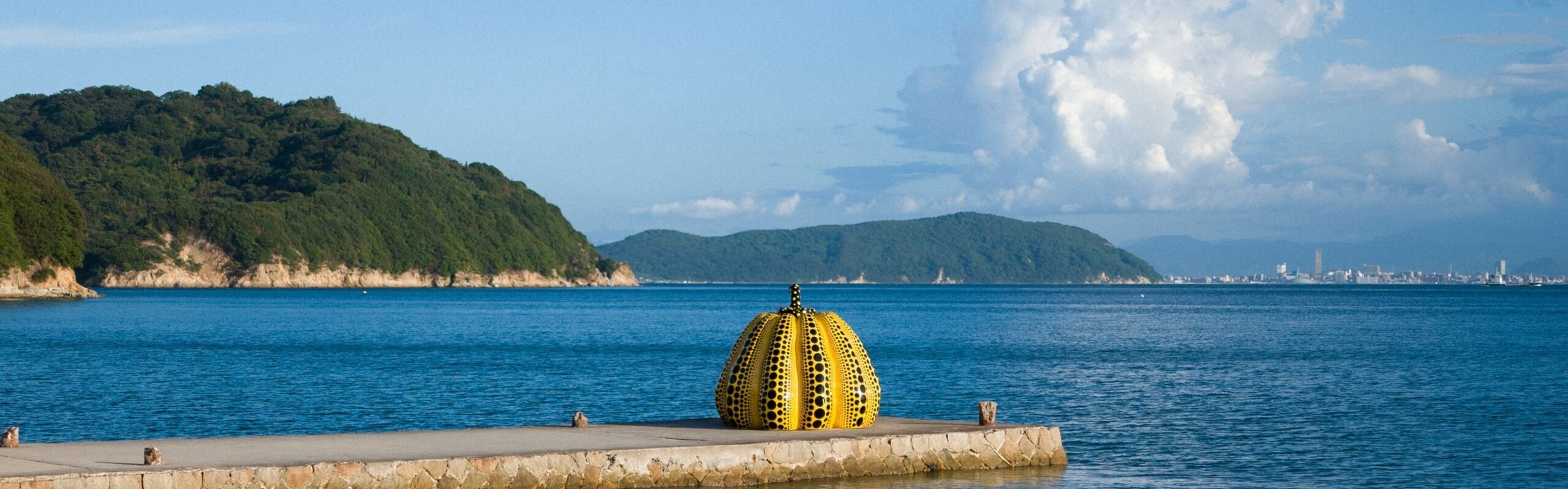
Naoshima is an "art island" where contemporary art blends naturally with mountains and the sea. It is about 3 hours from Osaka or Kobe.
The island is home to famous artworks, world-class museums, galleries, and unique art spaces. You will also find striking public art set against beautiful coastal landscapes.
Naoshima is a key venue of the Setouchi Triennale, held once every three years. If you enjoy installation art or contemporary art, this island offers a rich visual experience.
This guide provides practical information on Naoshima's top attractions, transportation, accommodation, and travel tips to help you plan your visit.
Top 5 Things To Do in Naoshima Island
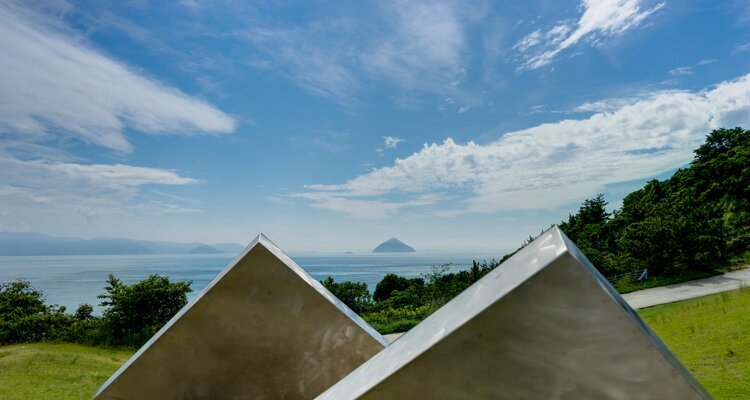 Naoshima Island view Towards Ocean with Clouds and Sky and Forest
Naoshima offers a calm and immersive art experience. Admire Tadao Ando's architecture and enjoy famous art inside, or even stay at his art hotels.
As you explore the island, you encounter installation art by artists such as Yayoi Kusama.
Art in Naoshima is meant to be experienced slowly. The following top things to do guide you through Naoshima's most distinctive and rewarding art experiences.
1. Visit Chichu Art Museum
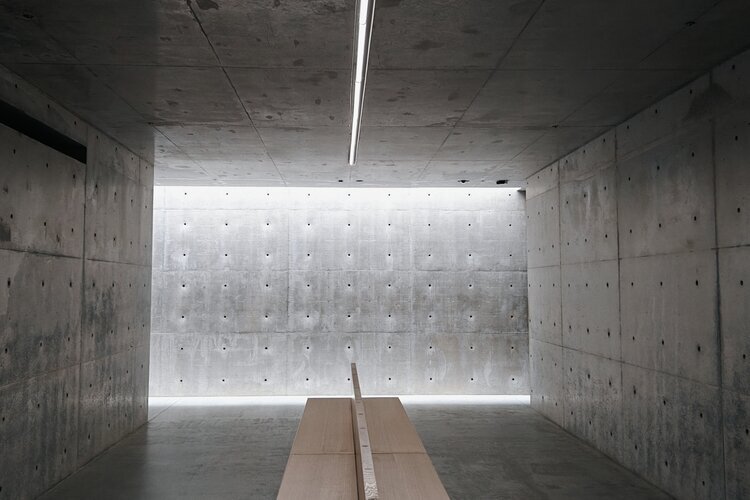 The corridor of the Chichu Art Museum
- Opening hours: 10:00–17:00 (last entry at 16:00). Closed on Mondays.
Designed by Tadao Ando, the Chichu Art Museum is a must-see on Naoshima. Most of the building is set underground, as if it grows out of the earth.
Natural light enters through carefully placed openings in the ceiling and walls, becoming part of the art experience.
The museum features permanent works by three artists: Claude Monet, James Turrell, and Walter De Maria. The highlight is five original Monet Water Lilies paintings from his later years.
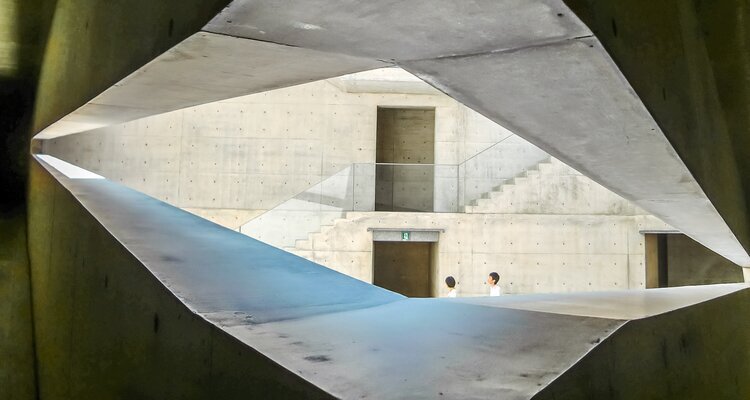 Chichu Art Museum
You could experience the works much as Monet did, by observing subtle shifts in light and color over time.
Advance reservations are required through the official website. Book at least 1 weeks ahead, or 1–2 months in advance during the Setouchi Triennale. Photography is not allowed in any exhibition areas.
2. Stay a night in Benesse House Museum
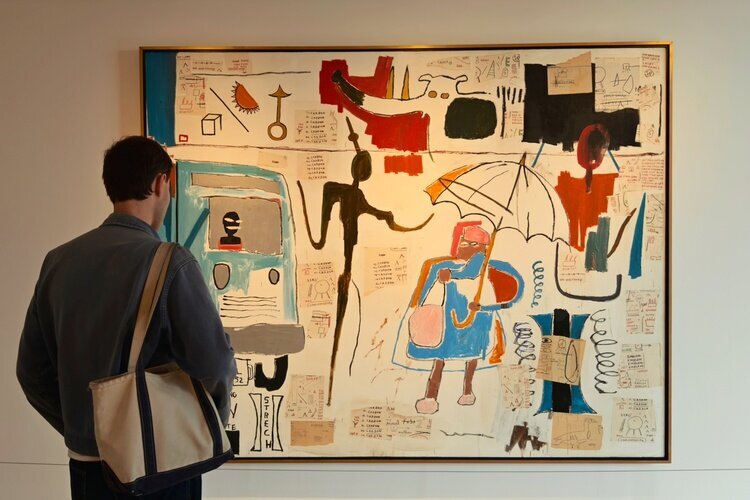 Benesse House Museum
- Opening hours: 8:00–21:00 (last entry 20:00)
Benesse House is both a museum and a hotel, designed by Tadao Ando. Staying here lets you to sleep surrounded by art and wake up to panoramic views of the Seto Inland Sea.
For museum visitors, the museum opens at 8:00 AM, two hours earlier than most other museums on Naoshima. The collection features major contemporary works by Cy Twombly, Richard Long, and Bruce Nauman.
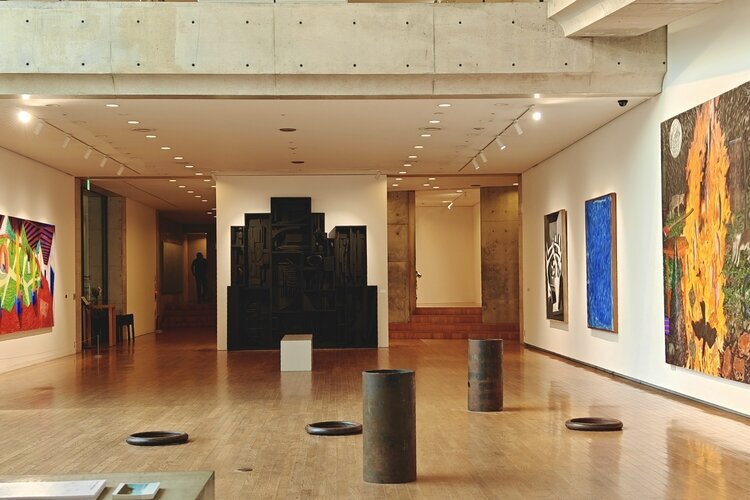 Benesse House Museum Exhibition Hall
Hotel guests enjoy free access to Benesse House Museum, including the Valley Gallery, as well as Hiroshi Sugimoto's "Time Corridor" Gallery. Guests can also enter areas that are not open to regular museum visitors.
How to book:
- Reservations open six months in advance and must be made online. For example, bookings for August 1, 2026 open just after midnight on February 2, 2026.
- Spring (April–May) and autumn (October–November) are peak seasons, and rooms often sell out within minutes of release.
3. Discover Minimalist Art at the Lee Ufan Museum
- Opening hours: 10:00–17:00 (last entry at 16:30)
Designed by Tadao Ando, the Lee Ufan Museum presents paintings and sculptures by Korean artist Lee Ufan, a leading figure in minimalist art.
The highlight is not only the artworks but also the open courtyard inside the museum. From here, you can enjoy peaceful views of the island and the Seto Inland Sea, creating a relaxed and meditative atmosphere.
The museum is located just a 5-minute walk from Benesse House Museum and can be visited together.
4. Take Photos with Yayoi Kusama's Pumpkins
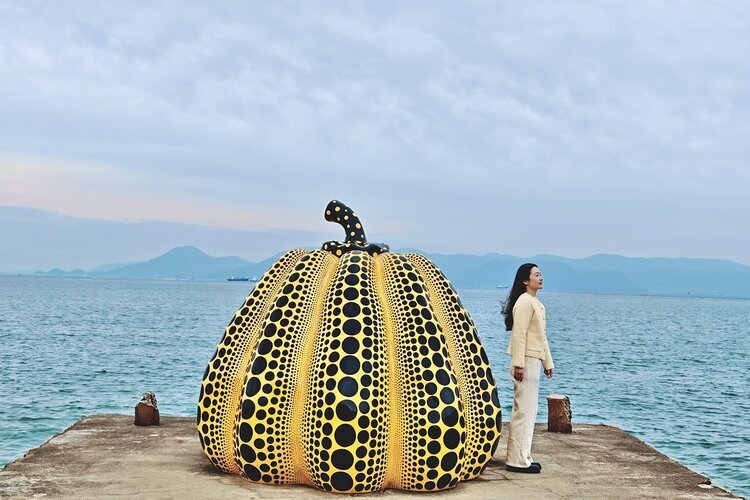 I took a photo with the yellow pumpkin in November 2025
Yayoi Kusama's iconic yellow and red pumpkin sculptures are free to visit and are popular photo spots on Naoshima.
The yellow pumpkin sits on a pier near Benesse House, while the red pumpkin is located close to Miyanoura Port.
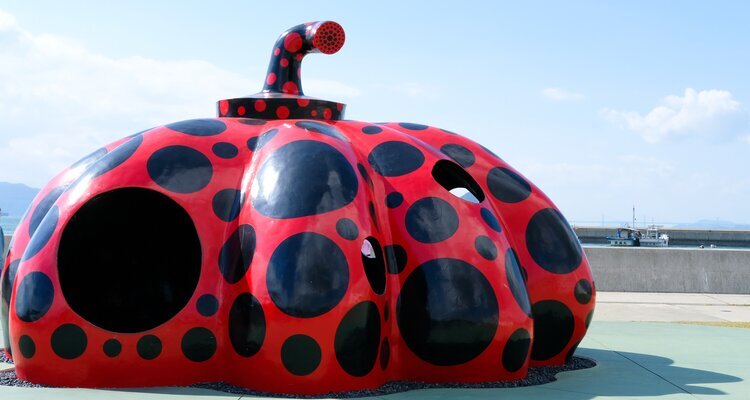 Red Pumpkin (by Yayoi Kusama)
The red pumpkin is easy to reach and can be photographed shortly after you arrive on the island.
The yellow pumpkin offers beautiful views of the Seto Inland Sea, but it often attracts long lines. If you want to avoid waiting, you can take photos from the nearby beach and capture the pumpkin from different angles.
5. Explore Art House Project
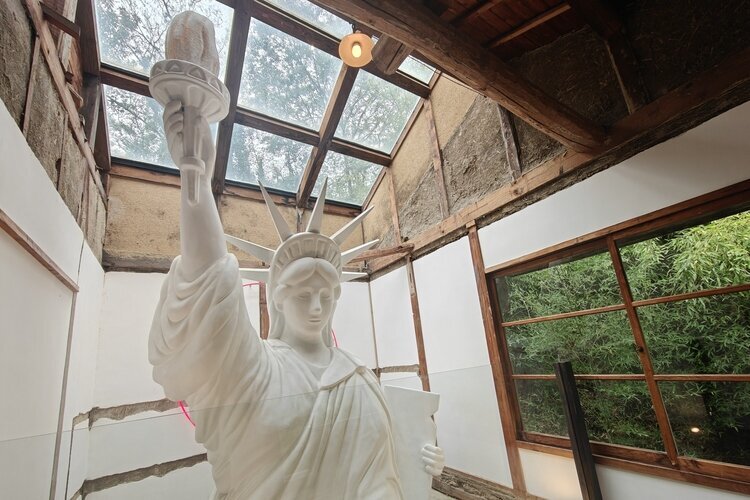 The Dentist House on Naoshima, officially known as Haisha in Art House Project
- Opening hours: 10:00–13:00 and 14:00–16:30 (Last entry is 30 minutes before closing)
Exploring the Art House Project feels like a treasure hunt in a traditional Japanese village. It focuses on spatial and installation art.
It is not a single site, but a district in Naoshima's Honmura area with seven art sites open to the public. The area is perfect for a slow walk and relaxed exploration.
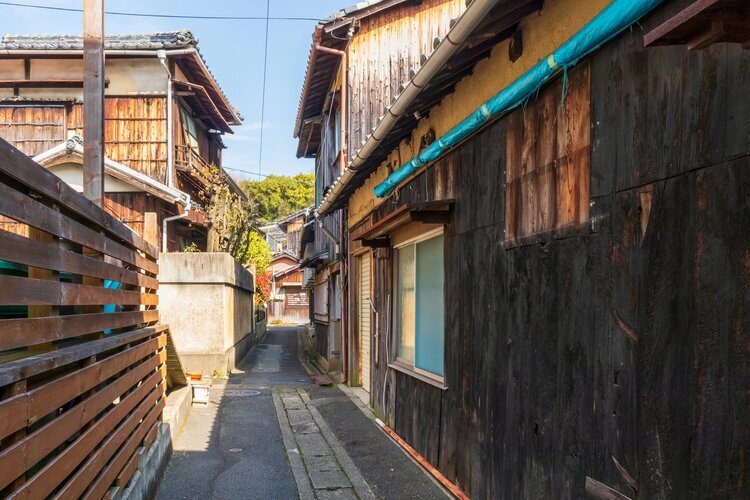 Beautiful narrow street in the old town of Naoshima
From the street, the buildings blend into the historic neighborhood, and you can locate each site by following the signs on the map.
Inside, you will find unexpected ideas and highly imaginative contemporary art, while the original houses are carefully preserved.
A combined ticket is available for five houses, excluding Minamidera and KINZA. Minamidera and KINZA require separate advance reservations and tickets.
If you want to combine your Naoshima visit with a journey through Shikoku, we recommend Hidden Western Japan: Shikoku & Naoshima Island
How to Get to Naoshima
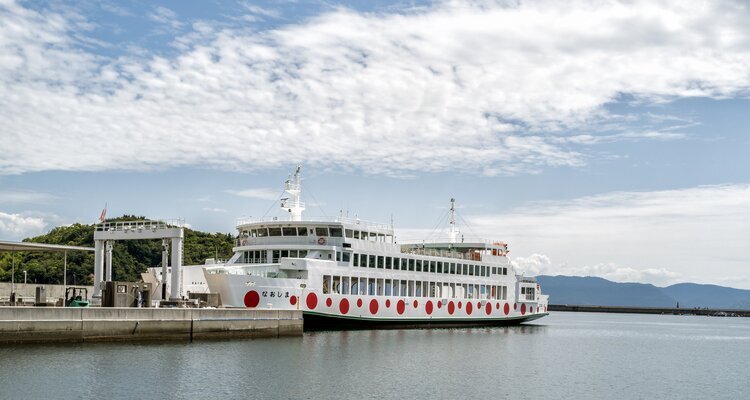 The Larger ferry docked at port in Naoshima, a Seto sea island in Japan with it s Yayoi Kusama livery
You can reach Naoshima by ferry from Uno Port (Okayama Prefecture) or Takamatsu Port (Kagawa Prefecture). The most convenient route is via Okayama, with a ferry ride of about 20 minutes. If you travel from Shikoku, the ferry ride takes 30–50 minutes.
Okayama → Naoshima
From Tokyo, Osaka, or Kyoto, take the shinkansen to Okayama Station, then transfer to a local train to Uno Port. The train journey takes about 2 hours. From Uno Port, take the ferry to Naoshima, which takes about 20 minutes.
Shikoku (Takamatsu) → Naoshima
If you are traveling via Shikoku, go to Takamatsu Port in Takamatsu City. From there, ferries to Naoshima take about 30–50 minutes.
Tips to take the ferry
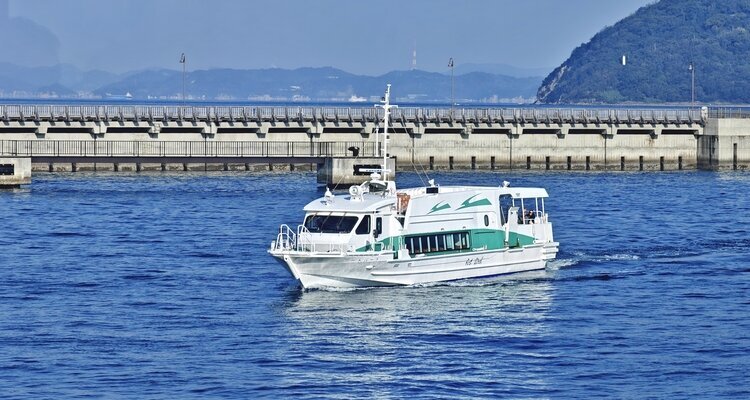 High-speed ferry to and from Naoshima
1. Ferry schedules change by season, so be sure to check the official website before your trip.
2. From both ports, there are two types of boats:
Larger ferry: Slower, but can carry vehicles and bicycles. Choose this if you need to bring a rental car or bike.
High-speed boat: Faster, but for passengers only and does not carry vehicles.
How to Get Around Naoshima
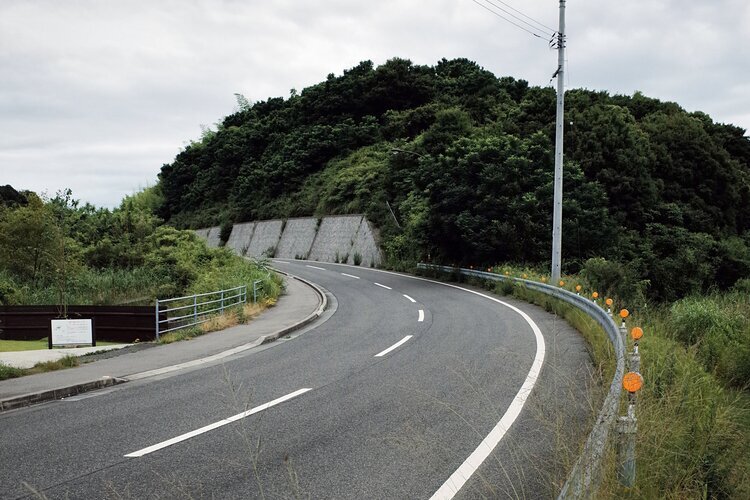 A curve road in Naoshima
The best way to explore Naoshima is by private car. While there are buses, they are slow and run only about every 15–30 minutes, and there are no taxis on the island. You might consider renting a car or a bike, but we don't recommend either.
Renting a car requires an International Driving Permit, the roads are narrow with many hills and curves, and cars are limited in number, so you may need to arrive before 8:00 AM to secure one.
Cycling is also not ideal. You won't be riding along the coast the whole time, and many routes involve steep uphill sections on regular roads, which makes it physically demanding.
How Many Days Should You Spend in Naoshima
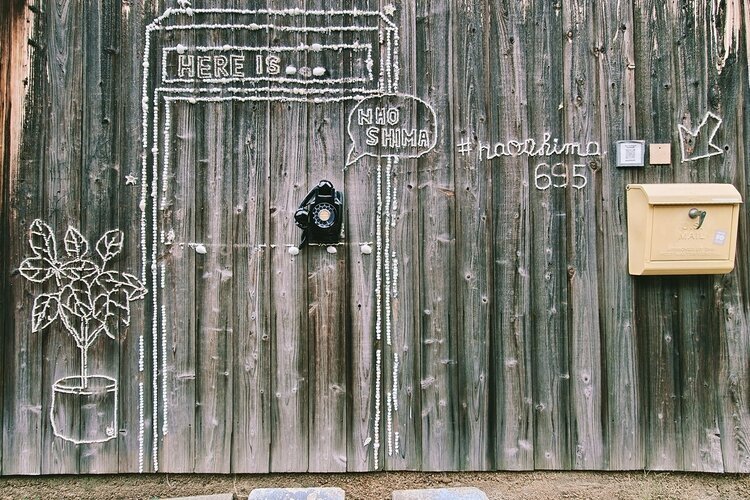 Naoshima
A one-day trip is possible if your time is limited. Visit the most iconic sites of contemporary art and architecture at Chichu Art Museum and Benesse House, then explore several art farmhouses from the Art House Project.
For your return trip, plan to arrive at the port by around 7:00 PM for the last ferry so you have enough time to buy your ticket and board. In most cases, you can still enjoy the sunset before heading back.
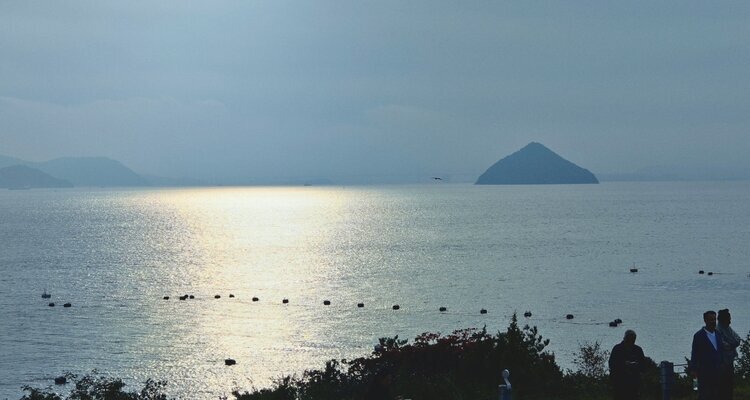 View of the sea we saw from Naoshima Island in the afternoon
Spending 1-2 days on Naoshima is more relaxed. By staying overnight, you can better enjoy the island's scenery. A famous view is the small, hill-like island in the distance, with warm light over the sea. The sky and water often glow in gold or soft pink and purple.
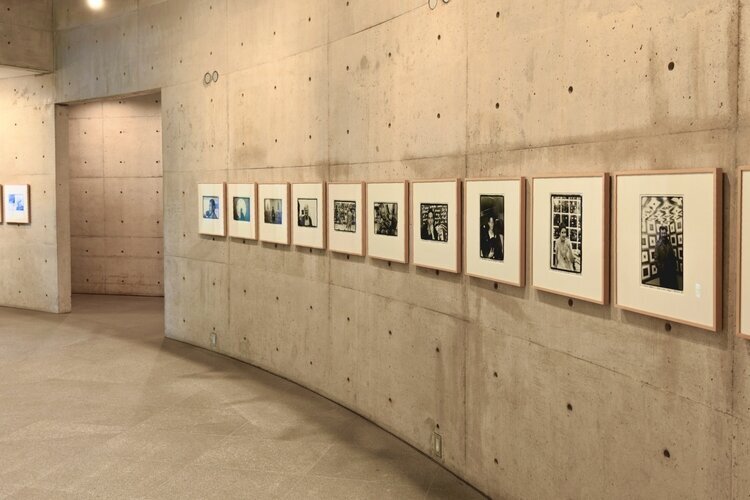 Benesse House Museum
If you stay at Benesse House, you can visit the museum in the evening and early morning. You will see how natural light changes on the concrete walls, and how the artworks look different as the light shifts.
On the second day, you can go island hopping. For example, you can take a direct ferry from Naoshima to visit Teshima or Inujima.
Where to Stay
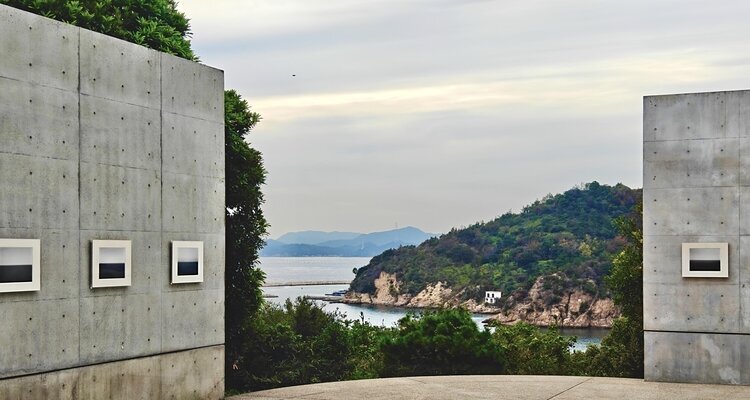 Benesse House Museum(open only to hotel guests)
Although Benesse House is an excellent choice, it is often difficult to book. Naoshima also has other comfortable accommodations.
For a similar level of comfort, we recommend Naoshima Ryokan Roka, a stylish modern ryokan with scenic island views, and Naoshima Rest House "Tsutsuji-so" Lodge, a well-rated lodge near the sea that offers a cozy stay.
If you cannot find a room on Naoshima itself, staying overnight in Takamatsu or Okayama is a practical alternative, where many more hotel options are available.
Best Time to Visit Naoshima
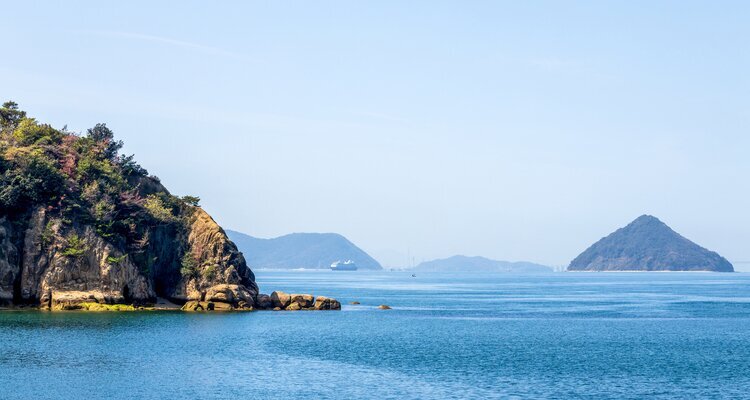 Beautiful landscape at a Beach on Naoshima Island
The best months to visit Naoshima are March to May and September to November. During these periods, the weather is mild and comfortable for walking between museums and outdoor art sites, and the island is generally less crowded than in peak summer.
Another great time is during the Setouchi Triennale. It happens every three years. Naoshima shows temporary art, site-specific works, and performances you can only see at the festival.
The next edition will be in 2028. The festival usually runs in three seasons: April–May, August, and October–November (exact dates are not yet announced).
Times to avoid
Typhoon season (especially August): Strong winds and heavy rain can disrupt or cancel ferries between Naoshima and Honshu/Shikoku. Outdoor artworks, walking routes, and some sites may close temporarily for safety.
Rainy season (late May to June): Frequent rain can affect sea views and outdoor walking, but indoor museums remain open and visits are still possible.
How to do Island Hopping
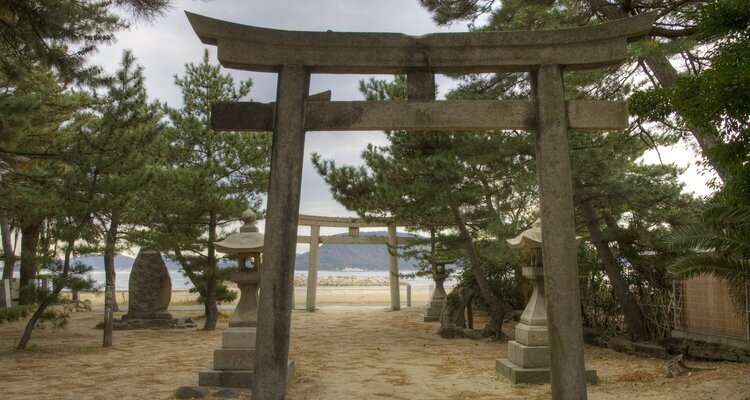 Shinto shrine and Torii stone gates near the beach on Megijima Island
If you want to explore multiple islands in the Seto Inland Sea, base in Takamatsu. Ferries from Takamatsu Port go to most nearby art islands.
For a day trip, we recommend Naoshima, Teshima, and Inujima, or the combo Megijima and Ogijima. Travel to these islands is easy, with frequent daily round trips.
Naoshima ↔ Teshima ↔ Inujima
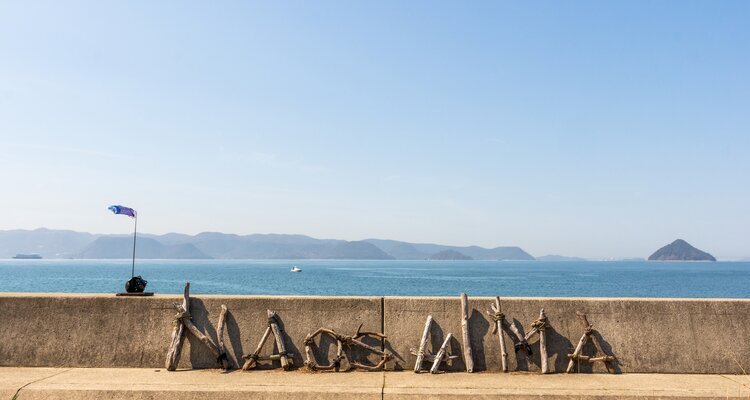 Beautiful landscape at a Beach on Naoshima Island in Kagawa
This route is perfect if you love light, architecture, and immersive contemporary art.
Naoshima and Teshima offer minimalist nature-art style, while Inujima features stunning industrial ruin regeneration.
Stay overnight on Naoshima if you can book accommodation that will be a better experience.
Ferry Schedule Tips:
- There are direct ferries connecting Naoshima, Teshima, and Inujima, with stops along the way. Each trip takes about 20 minutes, and you do not need to return to Takamatsu Port when moving between these islands.
- Avoid visiting Teshima or Inujima in winter, especially Tuesday to Thursday from December to February, when museums are usually closed.
- Ferry services are limited and often follow museum opening days. If a museum on an island is closed, the ferry may skip that stop, and if museums on both islands are closed, the route may not operate at all.
Megijima ↔Ogijima
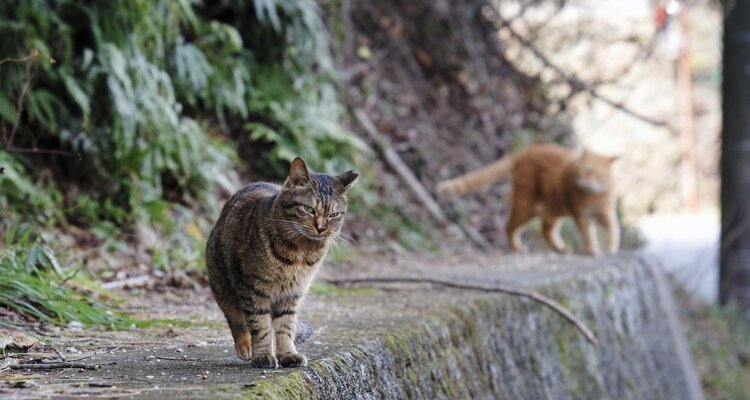 Two stray cats roaming on the island of the Ogijima
If you prefer a more relaxed, everyday art experience, choose Megijima and Ogijima. These small islands have a charming fishing village feel, with art built into old houses and streets. With fewer tourists, you can enjoy easy, unhurried walks through narrow lanes.
Megijima, linked to the Momotaro folk tale, has soft hills and open sea views.
Ogijima, often called "Cat Island," is known for its many friendly stray cats that add a cute, down-to-earth island feel.
Ferry Schedule Tips:
To visit these two islands, you need to return to Takamatsu Port and take a ferry. The trip to each island takes about 10 minutes.
FAQ:
1. Is cycling good for exploring Naoshima?
Cycling is possible, but the island has many hilly sections, so it's physically hard. Bikes need advance booking and must be parked at set spots near museums. For easier travel, we suggest private transport.
2. What can I do on Naoshima if I'm not familiar with contemporary art?
Even if you are not familiar with contemporary art, you can explore the spaces using your own senses, and the experience often feels fresh and memorable.
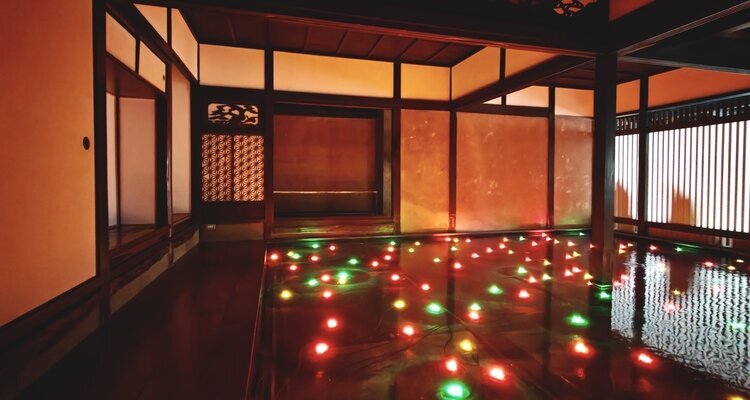 Sea of Time '98' is an installation in the Kadoya, a work of the Art House Project on Naoshima
Some spatial and installation works, such as the Art House Projects and certain architectural pieces, can be challenging to understand. On most islands, museums and art sites do not provide detailed explanations or labels.
If you prepare in advance, you may appreciate the works more. Hiring a guide with a strong background in contemporary art can also be helpful.
3. When do museums open on Naoshima?
Most museums on the island open after 9:30 AM and are closed on Mondays. If you're not renting a car, there's no need to take a ferry that arrives as early as 7:50 AM.
4. How far in advance should I buy Naoshima ferry tickets?
For round-trip tickets, plan to arrive at either the departure or return ferry terminal at least 30–45 minutes before departure to purchase your ticket.
5. Can I visit Naoshima without booking ahead?
Yes, but it's not recommended. It's best to reserve tickets 1–2 weeks in advance. Chichu Art Museum and KINZA often sell out, especially on weekends and during the Setouchi Triennale. Some museums offer walk-in tickets, but you risk long waits or missing out. Booking online can also save money and your time.
6. Is Shodoshima worth visiting on an island-hopping trip?
We don't recommend Shodoshima for art-focused travelers. The island is crowded with tourists, and many attractions are man-made photo spots inspired by Kiki's Delivery Service, which don't capture the "art island" vibe.
Plan Your Japan Visit
If you need help planning a custom Naoshima trip, contact us. We'll design a plan that fits your interests, pace, and travel style, so you can experience Naoshima's art and architecture without stress.