Japan and South Korea are neighboring countries in East Asia, and it only takes about two hours to fly from Osaka in Japan to Seoul in South Korea. It is possible to spend 2 weeks visiting both countries: 7–10 days in Japan and around 7 days in South Korea.
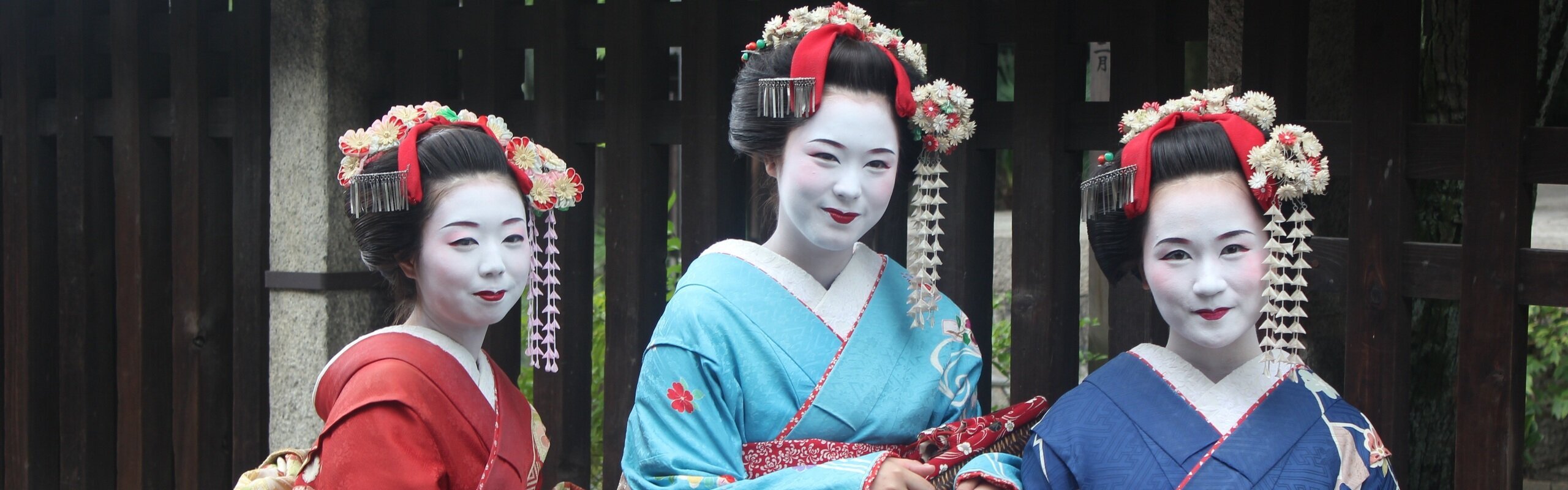
In Japan, you could see spectacular Mount Fuji and breathtaking cherry blossoms, have an afternoon tea ceremony in kimonos with a geisha... South Korea is famous for its full-city Seoul views from Namsan, sandy beaches of Haeundae, great sea views from Jeju Island, and tasty Korean BBQ...
Where to Go on a 2-Week Trip to Japan and South Korea
Touring Japan and South Korea is suitable for a family or couple's vacation, due to this combo's plentiful experiences and charming attractions.

Top Destinations in Japan:
- Tokyo, Kyoto, and Osaka are the top cities in Japan you shouldn't miss for a first visit
1) Appreciate the blend of history and modernity in Tokyo
View the magnificent Mount Fuji, feel the old vibe of Meiji Shrine and Sensoji Temple, make sushi at a local home, try on samurai armor, shop anime products to satisfy your kid's interest, and have a day tour in Hakone for onsen bathing.
2) Discover the old charm of Japan in Kyoto
Old streets in Kyoto, JapanWatch geishas perform in Gion District, immerse yourself in a classical tea ceremony, stay at a ryokan to enjoy Japan's old-style accommodation, try on kimonos for a memorable family photo, and have a close encounter with friendly deer in Nara.
3) Enjoy street life and food in Osaka
Sample street food in Dotonbori District, make cup noodles based on your preference at Cup Noodle Museum, and spend a great time in the movie atmosphere of Universal Studios.
Sample takoyaki in DotonboriTop Destinations in South Korea
- Seoul, Busan, and Jeju Island are well-known cities in South Korea.
1) Immerse yourself in the vibrant capital of South Korea: view Seoul's oldest palace — Gyeongbok, admire the sunset from Namsan, visit the DMZ (Demilitarized Zone) to appreciate a cherished and guarded peace, and enjoy the lively nightlife in Hongdae.
A performance at Gyeongbok2) Revel in the bustling seaside city of Busan: feed seagulls on Haeundae Beach, stroll through Gamcheon Cultural Village with its colorful houses, and sample the freshest seafood.
Feeding seagulls on Haeundae Beach3) Feel the relaxed pace of Jeju Island: enjoy brilliant sea views, stroll on sandy beaches, and visit the natural landscapes created by volcanic activity.
Skip the hassle of planning your Japan and South Korea trip.
We're here to help. Just tell us your interests, travel dates, and budget, and we'll create a personalized itinerary for you.
2-Week Japan and South Korea Itineraries: The Best 2 Options
Here are two itinerary options covering the major attractions in Japan and South Korea.
1) A 2-Week Classic Japan & South Korea Itinerary for Families
This itinerary is perfect for a first family time in Japan and South Korea. It includes experiencing kid-favored animation elements, trying on kimonos, feeding deer in Nara, and, on the last 3 days, relaxing on the sandy beaches of Busan.
Here is a well-organized itinerary for your inspiration:
- Days 1–3: Tokyo, Japan
- Days 4–5: Hakone
- Days 6–8: Kyoto
- Day 9: Osaka and fly to Seoul in South Korea
- Days 10–12: Seoul
- Days 13–15: Busan
Days 1–3: Tokyo
Take a manpower rickshaw in Asakusa in TokyoTokyo is the top city for entry into Japan. Visit the historical Meiji Shrine, feel the Edo vibe, take a man-powered rickshaw through the old streets in Asakusa, and make sushi at a local home.
For anime lovers, you can buy your favorite anime products in Akihabara and have a happy time in the Pokémon Center or J-World.
Plan a day at Disneyland for younger kids, or DisneySea if you're traveling with older children.
Days 4–5: Hakone
Soak in onsens in HakoneHakone is the home of onsens (hot spring baths). Stay at a ryokan with an onsen to enjoy an incredibly relaxing time with your family, and visit Lake Ashi on a replica pirate ship.
Days 6–8: Kyoto
Fushimi Inari Shrine in KyotoKyoto is Japan's stunning medieval capital. Here, you can step into classic Japan: meet geishas, sip sake, join a tea ceremony, and stay in a traditional ryokan.
- Visit the famous Fushimi Inari Shrine and the orange-red torii gates to understand the history of Japanese shrines.
- Have an afternoon tea with geishas in the Gion District, and try on kimonos for memorable photos.
- Sleep on a tatami at a ryokan to experience the best of traditional Japanese accommodation.
- Participate in an authentic tea ceremony in a tea house.
- Spending a day in Nara. Feeding the friendly deer at Nara Park could be a great family moment.
Feed the deer in NaraDay 9: Osaka
Sample delicious street food like takoyaki (octopus balls) in Dotonbori. Depart from Kansai International Airport and fly to Seoul, Korea.
Days 10–12: Seoul
Korean traditional village of Bukchon HanokVisit Seoul, the energetic capital city of South Korea. It is famous for Korean food and K-Pop.
Visit Seoul's biggest and oldest palace — Gyeongbok Palace, try on a Hanbok, and meander around the quiet Korean traditional village of Bukchon Hanok, have a full view of the city from Namsan, and sample delicious Korean rice cakes, bibimbap ('mixing rice'), or kimchi (Korean pickles).
Days 13–15: Busan
Gamcheon Cultural VillageBusan is the second-largest city in South Korea and a flourishing port city.
Enjoy the comfortable sea breeze and feed seagulls in Haeundae, take a leisurely walk around Gamcheon Cultural Village with its multicolored houses, and visit Haedong Yonggung Temple — a Buddhist temple with stunning sea views.
Let us help you plan your Japan and South Korea trip!
Contact us, and we will create a trip based on your group size, time, budget, interests, and other requirements.
2) Japan & South Korea Trip Itinerary Balancing Culture and Nature
If you want to discover the culture and deeper rural life in Japan and South Korea, this itinerary allows you to travel at a laid-back pace. Visit traditional villages in both countries, interact with locals, and see the World Natural Heritage on Jeju Island.
Here is a hand-picked itinerary summary with more detail following:
- Days 1–3: Tokyo, Japan
- Days 4–6: Takayama, Shirakawa-go, Kanazawa
- Days 7–9: Kyoto
- Day 10: Osaka, fly to Seoul in South Korea
- Days 11–13: Seoul
- Days 14–15: Jeju Island
Days 1–3: Tokyo
Make sushi at a local homeExperience the mix of old and new in Tokyo. Visit Meiji Shrine and Senso-ji to see Tokyo's traditional side. Walk through Shibuya to feel the city's modern energy. Try on samurai armor at the Samurai Museum for a fun photo, and enjoy fresh sashimi at Tsukiji Market.
Suggested day trips from Tokyo:
- Spend a day at Fuji Five Lakes to see the spectacular Mount Fuji perfectly framed.
- Relax in an onsen with your partner in Hakone.
- Nagano is 200 km (130 miles) from Tokyo. You can see monkeys bathing in hot springs, and ski in winter (December to February).
Days 4–6: Takayama, Shirakawa-go, Kanazawa
Beautiful winter lighting in Shirakawa-goExplore Japan's picturesque countryside away from the crowded cities.
- Takayama: wander around the well-preserved townhouses and taste delicious Hida beef.
- Shirakawa-go: View traditional Gassho-zukuri farmhouses. If you go in January or February, you can see their beautiful winter lighting.
- Kanazawa: Purchase gold-leaf products and sample Japanese sake at a brewery.
Days 7–9: Kyoto
Lush bamboo groves in ArashiyamaTo truly experience Kyoto's traditional culture, visit its shrines, spot geisha in the old streets, and stay at a traditional ryokan.
Appreciate the ancient atmosphere in Nijo Castle and Kinkaku Temple, meander around the Gion district to see the beautiful geishas in kimonos, and enjoy a high-class Kaiseki at a ryokan.
Suggested day tours from Kyoto:
- Arashiyama is definitely a good place to relax: medieval Tenryu Temple, lush bamboo groves, and the sightseeing train will make your trip worth it.
- Nara is popular with travelers because you can feed the lovely deer at Nara Park.
Day 10: Osaka
Visit the outstanding Osaka Castle, and leave from Kansai International Airport on a short flight to Seoul, Korea.
Days 11–13: Seoul
Namsan in SeoulAs the capital, Seoul contains all the essence of South Korea. Hike in scenic Bukhansan National Park, taste authentic Korean street food at local Gwangjang Market, and take a slow walk at Cheonggyecheon, which is a quiet but huge recreation space in the downtown area.
Days 14–15: Jeju Island
Jeju IslandJeju Island, an island formed by volcanic activity, is a good place to relax. Enjoy a wonderful sunrise or sunset on Seongsan Ilchulbong ('Sunrise Peak') — a World Natural Heritage tuff cone, visit the Manjanggul lava cave, and walk on the sandy beaches to appreciate stunning sea views.
Interested in this itinerary?
These are our most popular attractions, but you don't have to follow them exactly. Just tell us your interests and needs, and we'll create a tour made just for you.
How Much Does a 2-Week Japan and South Korea Tour Cost?
A 2-week tour of Japan and South Korea costs around US$9,000–10,000 per person based on a group of 2-4 people.
- A private tour in Japan costs around US$350–500 per person per day, while South Korea costs about US$400–500.
- The price includes 4-star hotels, a full-day itinerary, attraction tickets, a private car, and a private guide.
- Direct flights from Osaka to Seoul are about US$100–150.
- It's worthwhile to try a night's stay in a traditional Japanese ryokan. They cost around US$300–450 per night.
Tips for saving:
Travel costs in peak times can be double, especially airfares and hotels. Thus, we recommend you plan ahead and book flights and hotels at least 6 months in advance.
Book early to save on hotels and flights. Let us plan your Japan and South Korea trip around your budget and interests. Contact us now.
Want to learn more about how these two countries differ? Check out our Japan vs South Korea.
Best Times to Visit Japan and South Korea
Cherry blossoms in Daigoji Temple in KyotoJapan and South Korea have similar climates with four distinct seasons.
The best times to travel to Japan and South Korea are in spring (April and May) and in autumn (September to October). During these two seasons, you can enjoy pleasant temperatures, less rain, and the best scenery.
In spring, you could appreciate the blooming cherry blossom, and autumn is the time to enjoy red maples and golden gingkoes.
Summer (June to August) is hot and humid, but it's also festival season with lively events and fireworks. Keep your itinerary flexible, mixing indoor and outdoor activities to stay cool. June is a bit cooler and less crowded than July and August.
November to March is cold and dry in most of Japan and South Korea. It's a good time to ski and soak in hot springs in northern Japan.
Christmas and New Year are extremely busy in both countries; flights and hotels are easily booked up. So, we suggest you make reservations at least 6 months in advance for a festive-season stay. The weather is OK in November and March compared to the summer and winter months, and prices are relatively low.
Plan Your Japan and South Korea Trip 2026/2027
A trip to Japan and South Korea is a once-in-a-lifetime experience. But planning it can be overwhelming. Don't worry. We can help you. Share your interests, dates, and preferences, and we'll design a trip made just for you. Let us help you now!
Suggested reading: