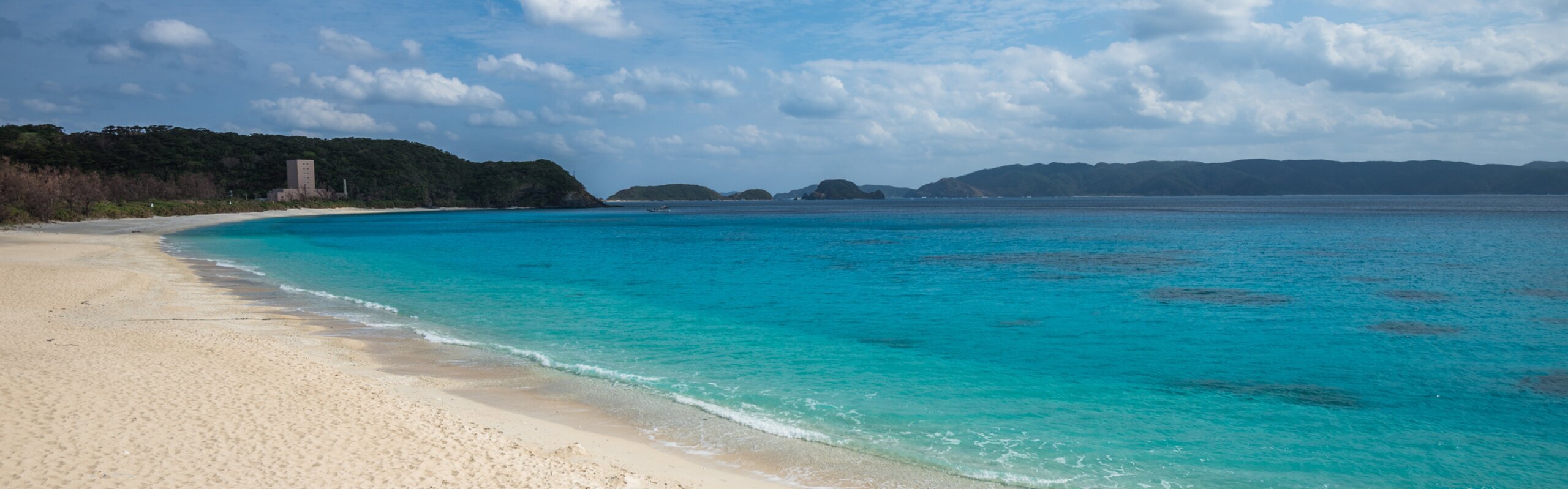
The best time for beaches and swimming in Okinawa is from May to September, when the water is warm.
But Okinawa isn't just about beaches. It's a tropical, laid-back side of Japan with its own unique culture. Beyond the resorts, you'll find eco-conscious communities, local traditions, and plenty of authentic experiences waiting to be explored.
Looking for beaches, water sports, festivals, fewer crowds, nature, relaxation, or local culture? We'll help you pick the perfect time to visit based on what matters most to you.
The Four Seasons in Okinawa
- Spring (March to May): Warm and pleasant, with temperatures around 20–25°C (68–77°F). A great time to visit with fewer crowds and more affordable prices.
- Summer (June to October): Hot, humid, and rainy, with temperatures around 25–30°C (77–86°F). Expect occasional tropical storms or typhoons from July to October. It's peak beach season, but also the most crowded and expensive time.
- Autumn (November to early December): Short but very comfortable, with temperatures around 22–26°C (72–79°F). The sea is still warm for water activities. Fewer tourists and better prices make it ideal for a relaxed trip.
- Winter (late December to February): Cool and mild, often cloudy, with highs of 15–20°C (59–68°F) and lows of 10–15°C (50–59°F). This is the least crowded and most budget-friendly season, except during Christmas and Chinese New Year.
Late January to March: Cherry Blossoms & Mild Island Weather
If you enjoy hiking, cultural sites, and a quieter travel pace, this is your sweet spot. You'll also catch Okinawa's early cherry blossom season. Unlike mainland Japan, Okinawan sakura bloom in winter (late January to February) with vibrant, deep pink flowers.
For the best views, head to Mount Yaedake or Nakijin Castle Ruins. The blossoms stand out beautifully against blue skies and ancient stone walls—perfect for photos.
For culture and history, visit the Okinawa Prefectural Museum & Art Museum in Naha. In the evening, stroll along Kokusai Dori Street for local food, neon lights, and a lively atmosphere.
How to plan your days well:
- Start your mornings early to enjoy popular sites with softer light and fewer crowds
- Combine Nakijin Castle with Okinawa Churaumi Aquarium nearby—great for a relaxed afternoon
- Slow down and enjoy Okinawan cuisine, known for its fresh and healthy ingredients
- Bring a light jacket, as evenings can feel cool and breezy
Weather & travel tips: Expect mild but often cloudy weather. While you might get sunny moments, it's generally too cool for swimming until around May. However, lower rainfall and comfortable temperatures make it ideal for sightseeing, walking, and relaxing.
Price tips: This is one of the most budget-friendly seasons for longer stays. However, expect higher demand and prices around Chinese New Year (especially from late January to early February), so it's best to book early.
Spring to Early Summer (April to June): Best Balance of Beaches & Comfort
This is a good time for beaches and sea sports without the peak-season crowds.
The islands come alive after winter, and by April, the ocean starts to warm up. May is especially great with warm water, sunny skies, and fewer tourists compared to the busy summer months.
The water is a little chilly until May, but you can snorkel and explore at Cape Maeda (Blue Cave) and around the many nearby islets without long wait times or the summer crowds.
How to plan it well:
- Book sea activities mid-morning while the sea is calmer. Have a wetsuit.
- Consider private transport (driver, taxi, or boat) to reach the best beaches and northern Okinawa spots, as public transport is limited.
What the weather feels like:
From mid-May to mid-June, Okinawa enters a short rainy season. Expect a mix of sunshine, sudden showers, and occasional tropical storms. So prepare for the weather. Bring light, breathable clothing and sun protection (a hat and sunglasses).
Price tips:
If you want that classic Okinawa beach vibe without peak prices and crowds, this is your best time.
Avoid peak holiday periods like Japan's Golden Week (late April–early May) and China's May Day holidays (the first week of May). Prices will rise, and crowds will increase during these times. Book early if traveling during these dates.
Summer (July to September): Full Tropical Mode
This is Okinawa at its most vibrant: crystal-clear water in shades of blue and green, beach BBQs, and evenings spent watching the sun set into the sea. You could swim every day.
The island itself has great beaches near Naha and Chatan, where most tourists stay. If you're looking for a lively tropical atmosphere and want to feel the energy of Okinawan culture, this is the time to go.
Summer is also festival season. In August and September, you'll see Eisa dance performances all over the island. These are powerful, centuries-old traditions with drums, local music, and even the Okinawan language. One of the best moments is on Kokusai Dori in Naha, where thousands of dancers perform together.
On very hot days, step into Gyokusendo Cave. It's a huge limestone cave and one of the most beautiful in East Asia. It's cool inside—perfect for a break from the heat. You can sometimes catch Eisa performances here as well.
If you want clearer water and fewer crowds, take a day trip to the Kerama Islands, about an hour by ferry. The beaches there are cleaner, quieter, and more scenic—even better than the Caribbean. The water is calmer for swimming and snorkeling, with incredible visibility. You can hop between islands, go for short walks, or just relax by the sea.
How to plan it well:
- Book early—this is peak travel season
- Keep your schedule flexible in case of typhoons.
- Try to experience local festivals like Obon in mid-August and Eisa for the full cultural experience.
Weather and Travel Tips:
It is hot, humid, and very tropical. You may get storms or a few typhoons, but they usually pass quickly. Blue skies and sunshine return fast.
Wear light clothing, bring a hat and sunglasses, and stay hydrated. Local summer teas and fruit drinks are great for cooling down—definitely try them.
Price tips: July and August are the busiest months, especially during school holidays. Festivals like Obon and Eisa also bring bigger crowds and higher prices. If you're traveling during this time, book everything in advance.
October to November: Calm Seas & Fewer Crowds
This time of year is a favorite for repeat visitors since the mood quiets, the tourist crowds leave, and the weather is still great. The ocean stays warm from summer, but the air is cooler and more comfortable. Perfect for kayaking through mangroves or exploring the Okinawan chain's quieter islands, such as Ishigaki.
It is a good time for extended stays for rest. Relax, recharge, and enjoy Okinawa's healthy food, clean water, and serene environment. See what makes Okinawans live longer and healthier while enjoying life at your own pace.
For swimming, head to the Kerama islets. Furuzamami Beach on Zamami Island is a beautiful sheltered curve of white sand with warm, shallow water—even when the air is cooler. Other shallow coves nearby are also perfect for a calm swim.
Stroll down Kokusai Dori in perfect weather. Explore the shops, restaurants, and lively entertainment along the way. Don't miss the huge, multistory Makishi Public Market at one end. Wander through it, soak up the local urban culture, and pick up fresh, high-quality Okinawan seafood.
By late October, the typhoon risk drops significantly. November often feels like a hidden gem: warm enough for light clothes and calm enough for stress-free travel.
Weather and travel tips: This is the hot and humid typhoon season with tropical storms. About 4 or 5 typhoons hit the island each year. So prepare for the weather. Luckily, the typhoons pass quickly, and the bright sun, blue skies, and seas return. The warm sea temperatures stay above 25°C (77°F) until about the middle of November.
December to Early January: Quiet & Cultural
This isn't beach season, but it's peaceful and relaxing.
If you love food, history, and slow travel, this is perfect. Spend your evenings enjoying Okinawan soba and other local specialties. There's a wide variety of healthy, even medicinal dishes to try.
Swimming isn't ideal unless you're brave, but coastal walks and jungle hikes feel refreshing rather than sweaty.
It's a good choice if:
- You want lower hotel rates.
- You prefer exploring over sunbathing.
- You're combining Okinawa with mainland Japan winter travel.
It is often warm enough during the day in winter to sunbathe, but have a coat or jacket available. It gets chilly at night.
Plan to Visit Okinawa with Japan Highlights
Plan to visit Okinawa? We are here to help you. Whether you want a relaxing beach holiday or an island escape alongside mainland Japan, we can help. Just tell us your interests, and we'll craft a unique trip just for you. Contact us today!