
Many people planning to climb Mount Fuji have the same questions. Which route should I choose? Is it suitable for someone with no climbing experience?
Mount Fuji has clear hiking trails and good facilities. Every year, many first-time visitors to Japan reach the summit, even without any climbing experience.
In this article, we'll cover everything you need to know about climbing Mount Fuji. You'll learn when the climbing season is, which route is best for you, how long the hike takes, and useful tips to help you plan your climb more easily.
When Is the Mount Fuji Climbing Season 2026?
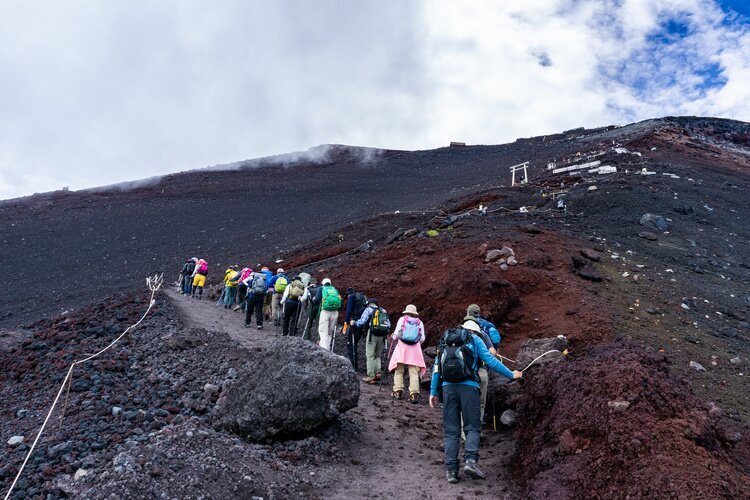
The official climbing season on Mount Fuji is from July to early September each year. During this time, there is no snow on the mountain, and the mountain huts are open, so it's the safest time to climb.
But we recommend going between July and the end of August. The weather is usually more stable, because the typhoon season in September hasn't started yet. So the overall experience is usually better.
If you visit Mount Fuji in May to September but still want a climbing experience, or just want a light hike without going to the summit, the Ochudo Trail is a great choice. It's a circular trail around the middle of the mountain.
How to Choose the Best Mount Fuji Hiking Trail?
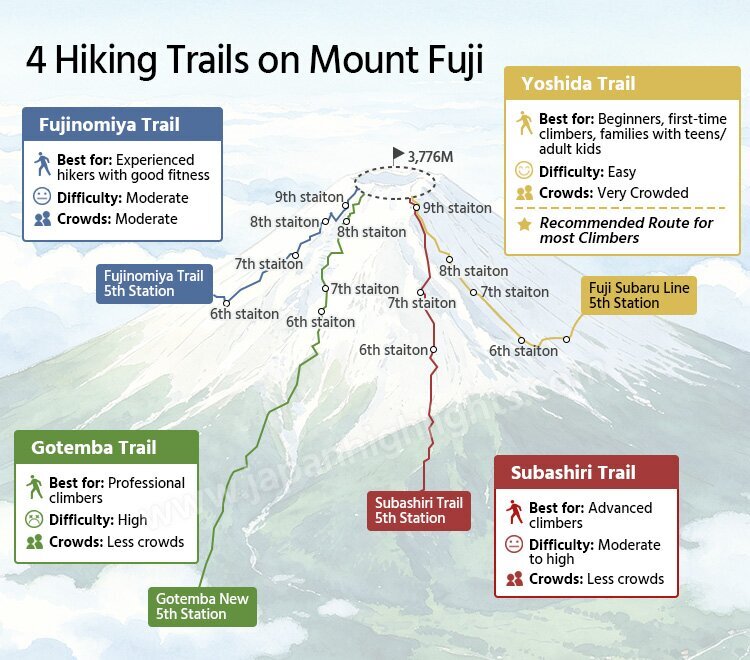
There are four climbing routes on Mount Fuji: the Yoshida Trail, the Fujinomiya Trail, the Subashiri Trail, and the Gotemba Trail.
Here's a comparison of each route to help you quickly pick the one that's right for you:
| Route | Suitable for | Difficulty Level | Route Features |
|---|---|---|---|
| Yoshida Trail | Beginners, first-time climbers, families with teens/adult kids | Entry-level | Most developed route, best facilities, most mountain huts, most crowded |
| Fujinomiya Trail | Experienced hikers with good fitness | Moderate | Shortest distance, steepest slope, some sections require using hands and feet |
| Subashiri Trail | Advanced climbers who want to avoid crowds | Moderate to high | Most scenic, less crowded, some gravel sections |
| Gotemba Trail | Professional climbers with high-altitude experience | High | Largest elevation gain (1440m to 3776m), longest route, fewest facilities, most challenging |
Yoshida Trail Is the Most Popular Route to Climb Mount Fuji
If this is your first time climbing Mount Fuji, the Yoshida Trail is our top pick! It's the easiest route for beginners, with more facilities and the most mountain huts. Even if you've never climbed before, you can still make it to the summit.
However, it's also the most crowded route. Try to avoid weekends because there are more people. Plus, it's best to book your mountain hut 3–6 months in advance, since they get booked up really fast.
How Much Time Should You Spend on Your Hike of Mount Fuji?
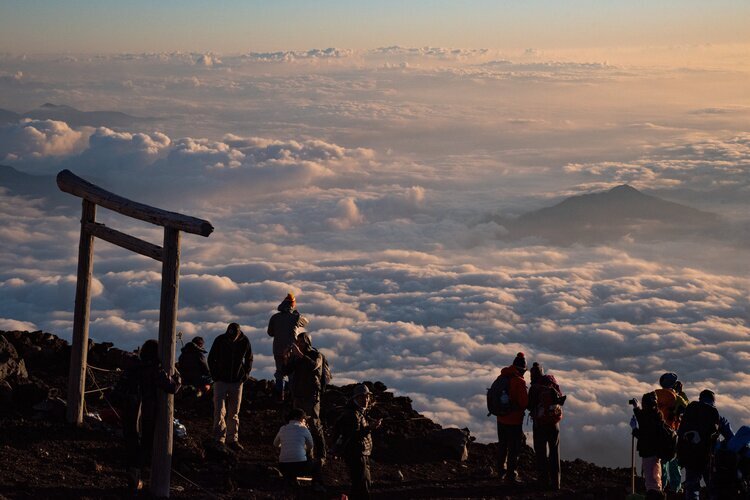
It's best to stay overnight on Mount Fuji.
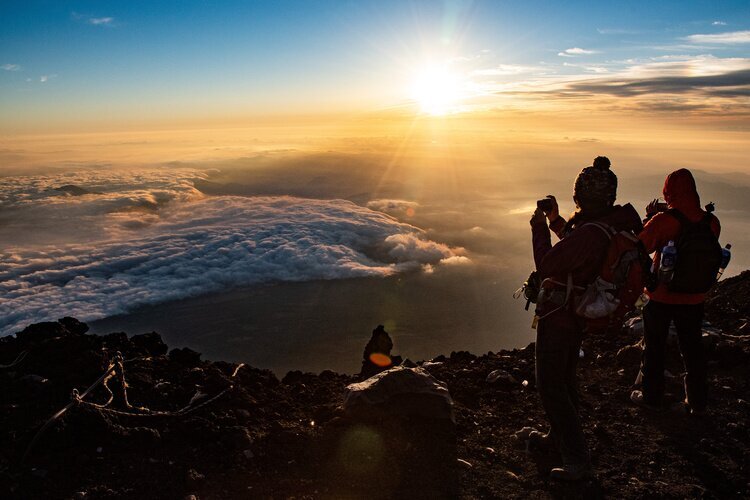
Because the climb is quite tough, splitting it into two days helps you save energy and lets your body adjust slowly to the altitude. You can also catch Mount Fuji's sunrise at the summit early on the second day.
Here is a sample 2-day itinerary for the Yoshida Trail to give you an idea. The other three routes are similar, with only the hiking time being different.
- Day 1: Start from the 5th Station, hike up to the 7th or 8th Station, and stay overnight in a mountain hut (about 3 hours of hiking).
- Day 2: Wake up around 1–2 am, start climbing at 2 am to reach the summit for sunrise, then descend back to the 5th Station (about 8–10 hours of hiking).
Not Sure How to Plan Your Mount Fuji Hike?
We know planning your Mount Fuji climb can feel overwhelming. Our Japan travel advisors can help you create a private hiking tour with an experienced local guide who matches your pace and takes care of all logistics for a safer and easier trip. Contact us to tailor your itinerary.
How to Book Your Mountain Entry Permit and Mountain Hut?
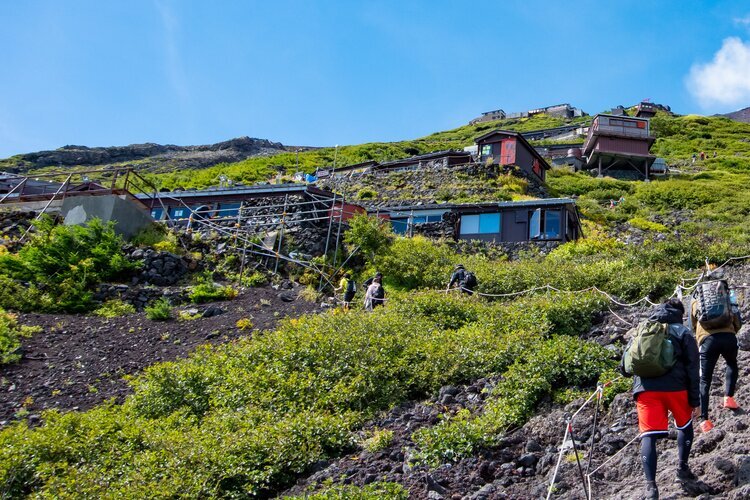
During the climbing season, all four routes up Mount Fuji require you to book a permit and pay a climbing fee in advance. You can do the booking on the official Mt. Fuji Climbing Website. It costs 4,000 yen (about US$25) per person.
We recommend booking 1-3 months ahead. There's a daily limit on climbers. If you book too late, it might be full. You can't climb without a reservation.
You also need to book a mountain hut in advance for an overnight stay. You can do this on the mountain hut's official website. If you book your Japan tour with us, our Japan travel advisors will help you arrange the mountain huts along your route.
However, mountain huts are very hard to book due to high demand, and there are only a limited number of them. Make sure to book 3 to 6 months in advance, or they can fill up quickly. Also, try to avoid weekends, as it gets even more crowded.
What to Pack for Your Climb of Mount Fuji?
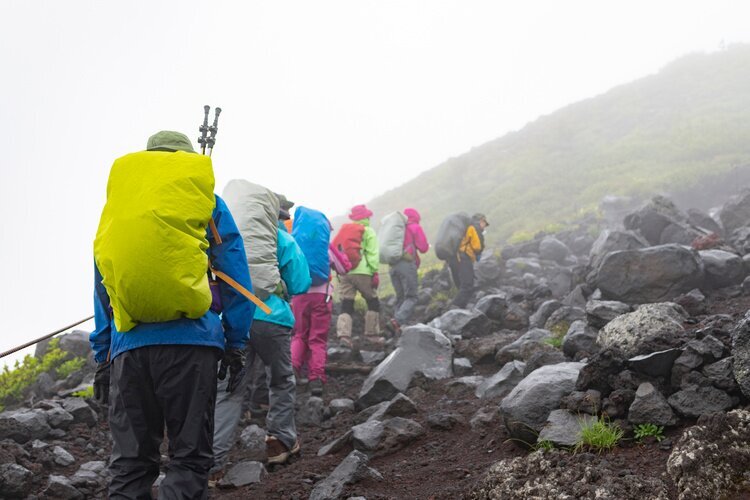
It's smart to pack light and dress in layers when hiking Mount Fuji.
Dressing in layers helps you handle changing temperatures. The weather on Mount Fuji changes really fast, especially at night and early in the morning when it gets very cold.
Here's a list of essential gear for the hike:
- Clothing: shorts, thermal leggings, a thermal long-sleeve shirt, a T-shirt, waterproof and windproof pants and jacket, a wool hat, and light gloves.
- Hiking gear: trekking flask, hiking boots, trekking poles (foldable or attachable to your backpack), headlamp, and gaiters.
- Cash: bring many 100-yen coins, as all toilets on the mountain are paid for and only accept cash.
How to Get to the Mount Fuji Hiking Trails from Tokyo
Using a private car is the easiest and most convenient way to get from Tokyo to your Mount Fuji hiking trail.
Public transportation is not convenient and takes time. The trip takes about 3.5 - 4 hours. You first take a train from Tokyo to Kawaguchiko, then a bus to the 5th Station. Sometimes you may need to wait 30 minutes or more for the shuttle bus.
A private car can save you time and energy. It takes about 3 hours. You can go directly from your hotel in Tokyo to the parking area at the foot of Mount Fuji, then take a shuttle bus to the 5th Station, since private cars are restricted during the climbing season.
Even with the shuttle transfer, a private car is still more flexible and helps you save energy before your hike.
If you book with us, we'll handle everything for you, including private transportation and your itinerary. This way, you can save more energy for your Mount Fuji hike and enjoy a stress-free journey.
FAQs about Climbing Mount Fuji
1. Can I Climb Mount Fuji as a Beginner?
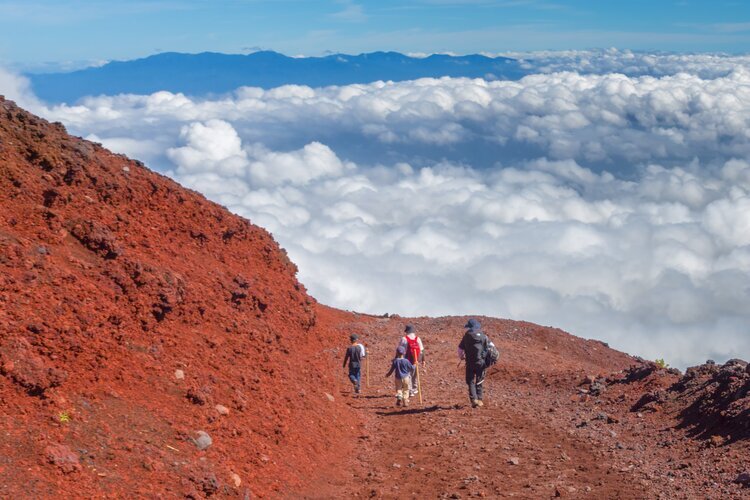
Both beginners and people with no hiking experience can climb Mount Fuji.
The Yoshida Trail is the best choice for beginners. It's the easiest route, with the most supply points and mountain huts. It's also the safest option.
2. Can I Reach the Summit of Mount Fuji in One Day?
Yes, but we don't recommend it.
Mount Fuji is more tiring than many people expect, especially at high altitude. Climbing to the summit and back down in one day puts a lot of strain on your body and also increases the risk of altitude sickness.
Along the trails, you will also see many signs warning climbers not to do so.
3. What Should I Do If I Get Altitude Sickness on Mount Fuji?
Mount Fuji is 3,776 meters high, and you may experience altitude sickness during your hike, such as dizziness or mild nausea.
You can bring a small oxygen canister as a backup. Oxygen is also available at many mountain huts and first-aid stations on the mountain. So even if you don't prepare it in advance, there is no need to worry too much.
During the hike, slow down and avoid rushing upward. This can help reduce discomfort.
If you feel stronger symptoms, such as a persistent headache, nausea, or feeling very unwell, you can rest at a first-aid station and ask the staff for help.
4. Can I Hike Mount Fuji in Winter?
No, you can't hike Mount Fuji in winter. The mountain is covered in snow, and it's very unsafe to climb.
Let's Customize Your Mount Fuji Trip Now!
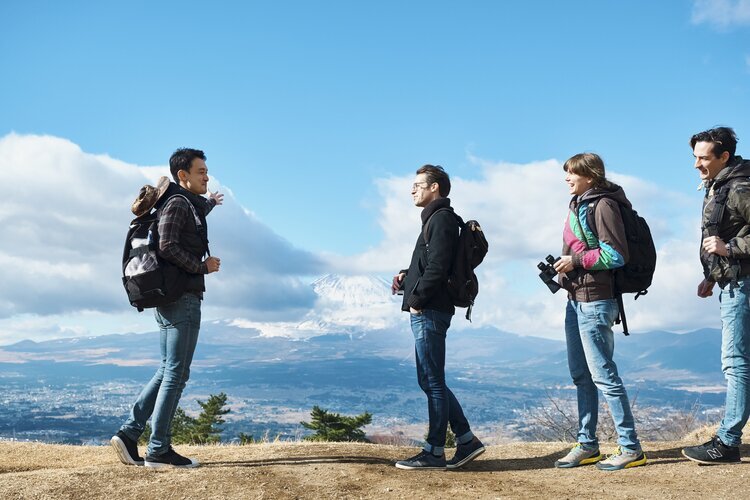
Just tell us what you want to do at Mount Fuji and around Japan, and our travel advisors will help plan your itinerary and take care of everything. All you need to do is relax and enjoy your trip!
Here are some of our Japan tours that include Mount Fuji to inspire you: