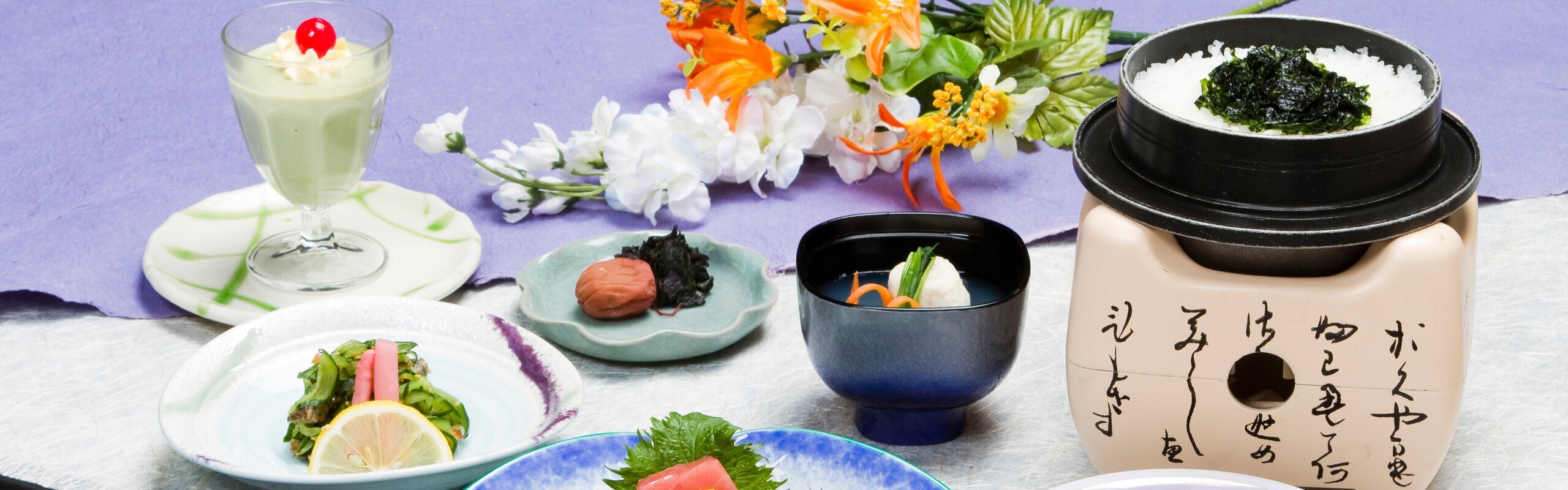

If you do not want meals in Kyoto to turn into long waits and stressful last-minute restaurant searches, the smoothest approach is to reserve one or two formal dining in advance, such as kaiseki or seasonal specialty meals.
For the rest of your meals, choose casual local restaurants based on the area you are visiting or your sightseeing route.
In this guide, we will introduce Kyoto's must-try foods by area and recommend good restaurants near major attractions, helping you avoid unnecessary waiting, reduce trial-and-error, and enjoy Kyoto's food scene more smoothly.
Best Places & Restaurants in Kyoto to Eat
Kyoto's best food experiences are highly tied to location. Gion is for refined kaiseki dining, Fushimi is best for shrine snacks and sake, while Arashiyama is where you slow down with tofu and Buddhist vegetarian cuisine.
Around Nijo Castle and Kinkaku-ji, it's more relaxed, with home-style cooking, such as tofu skin or hot pot. And if you make it out to Ohara and Sanzenin, expect something quiet and rustic countryside cuisine.
Need variety and convenience? Kyoto Station has everything in one place. Choosing right food and restaurants by travel route will save time and make your experience much better.
Gion & Higashiyama: Refined Kaiseki Dining

This area is the best place for you to experience Kyoto's refined cuisine and traditional aesthetics. It's home to some of the city's most refined kaiseki (multi-course) dining, all focused on seasonal, carefully prepared ingredients.
It's also a center of traditional teahouse culture, where you can enjoy tea and sometimes catch the elegant atmosphere of geisha performances. Around Ninenzaka and Sannenzaka, don't miss the matcha sweets and tofu-based desserts.
Tousuiro
- Access: About a 10-minute walk from Gion (around 700 meters)
- Address: 38-1 Bishamoncho, Higashiyama-ku, Kyoto, Japan
Tousuiro specializes in yudofu (hot tofu) kaiseki cuisine. It offers a refined yet accessible kaiseki experience, with full-course meals typically around USD 35–55(JPY 5,000–8,000). The dishes combine delicate Kyoto-style tofu with seasonal ingredients. A simple way to experience both kaiseki dining and Kyoto's tofu culture.
Kikunoi Roan
- Access: About a 10–15 minute walk from Gion (depending on your starting point in Gion)
- Address: 118 Saitocho, Shijo Kiyamachi, Shimogyo-ku, Kyoto
Kikunoi Roan is a branch of the famous Kikunoi. It maintains the group's high kaiseki standards while being easier to reserve than the main restaurant.
It is a good choice if you want a refined kaiseki experience without the pressure of extremely formal fine dining.
For a deeper Kyoto dining cultural experience, we can arrange a special experience with a maiko. You can dress in kimono, learn how to prepare matcha, enjoy seasonal wagashi sweets, watch a traditional tea ceremony demonstration, and take photos with the maiko.
If you prefer an evening atmosphere, we can also arrange a traditional Japanese dinner accompanied by a maiko performance.
Kinkakuji / Nijo Castle:Home-style Eats and Relaxed Cafés
Here you could enjoy comfortable, home-style Kyoto dishes such as yuba (tofu skin). Around the Kinkaku-ji area, there are long-established, local-style set meal restaurants that serve as everyday dining spots.
If you are visiting nearby, lunch is a great time to try a yuba-based set menu or rice bowl and experience Kyoto's unique tofu culture.
Gontaro
- Access: About a 10-minute walk from Kinkaku-ji (Golden Pavilion)
- Address: 26-1 Hirano Kamiyanagicho, Kita-ku, Kyoto, Japan
Gontaro is a calm local spot where you can sit down for a relaxed lunch after sightseeing.
The signature dish is Kyoto soba topped with warm yuba (tofu skin) served in a thick savory sauce. It comes with side dishes and dessert for a simple set meal.
You can also choose a simple yuba tofu set. No reservation is needed. At lunch time, there may be a short wait, usually around 15 minutes.
Tofu Café Fujino
- Access: About a 10-minute walk from Kinkaku-ji (Golden Pavilion). Around a 2–3 minute walk from Kitano Tenmangu Shrine.
- Address: 843-7 Kamigamiyagawacho, Imadegawa-dori Nishii-ru, Kamigyo-ku, Kyoto, Japan
It is a great stop to include on the way to Kitano Tenmangu, where you can take a relaxed break and try a tofu-buffet。
This small café specialized in tofu-based sweets and light meals. You can enjoy food like tofu ice cream, desserts and yuba (tofu skin) rice bowls.
Fushimi & Southern Kyoto: Shrine Street Snacks and Sake Culture
This area is famous for casual inari sushi, which originated here as inari-zushi (tofu skin sushi). Around Fushimi Inari Taisha, you'll find a variety of shrine approach snacks, including sushi, grilled mochi, rice crackers, and kitsune udon that are all worth trying.
A few kilometers further south, the Fushimi district is one of Kyoto's most important sake-producing areas. The sake here is known for its smooth texture and slightly sweet finish, pairing naturally with Kyoto-style cuisine.
It's also a great place to end your visit with a casual izakaya meal paired with sake and small seasonal dishes.
Nezameya
- Access: Right next to the main entrance of Fushimi Inari Taisha, within walking distance
- Address: 82-1 Fukakusa Inarigozencho, Fushimi-ku, Kyoto, Japan
Nezameya is a long-established shop known for its traditional inari sushi, often called the "fox offering" of the shrine. You can enjoy warm and soft sushi made with gently seasoned fried tofu skin filled with slightly sweet vinegared rice.
It is a casual takeaway spot, perfect for picking up a quick bite as you walk to or from the shrine trails.
Torisei Honten
- Access: About 6-min walk from the Fushimi boat canal area
- Address: 186 Kamiaburakakecho, Fushimi-ku, Kyoto, Japan
Torisei Honten is often called "an izakaya in a sake brewery town" by locals. The highlight is its chicken skewers marinated in sake lees and grilled until rich in aroma. You can also enjoy freshly pressed, unpasteurized sake sourced directly from local breweries.
Advance reservation 1–2 days in advance is recommended.
If you would like to explore Kyoto's sake culture in depth, we can arrange a private visit to Gekkeikan Okura Sake Museum. You can learn about the traditional brewing process and enjoy guided tastings of different sake styles.
Arashiyama: Vegetarian Diet with Serene Bamboo and Riverside Spot
Rivers and bamboo forests create the natural backdrop for dining in Arashiyama. The area is especially famous for yudofu (hot tofu) and shojin ryori (Buddhist vegetarian cuisine).
Several Zen temple dining halls serve traditional shojin ryori meals in a peaceful natural setting.
As you walk along the Sagano Bamboo Grove path, you can also stop at small dessert shops for sweet red bean soup or kuzu starch jelly.
For a full meal, Shigetsu inside Tenryu-ji Temple is highly recommended and considered one of the best-value shojin ryori experiences in Arashiyama.
Shigetsu
- Access: About a 5-minute walk from Arashiyama Station (Randen Line)
- Address: Inside Tenryu-ji Temple, 68 Sagatenryuji Susukinobabacho, Ukyo Ward, Kyoto
You can enjoy your meal while overlooking the traditional Japanese garden of Tenryu-ji Temple.
Meals are served as an elegantly presented multi-course set featuring seasonal Kyoto vegetables and classic shojin ryori dishes such as sesame tofu, simmered vegetables, yudofu (hot tofu), wheat gluten, and light tempura-style dishes.
Reservations are recommended at least 1 month in advance. During the November autumn foliage season, it is best to book at least 2 months ahead, especially for lunchtime seats with garden views.
Yudofu Sagano
- Access: About a 10-minute walk from Arashiyama Station (Randen Line)
- Address: 45 Sagatenryuji Susukinobabacho, Ukyo Ward, Kyoto
Yudofu Sagano is known for its traditional yudofu (hot tofu) lunch sets. The soft tofu is made with Arashiyama spring water, gently simmered in kombu broth, and enjoyed with sesame sauce or citrusy ponzu sauce.
Meals are served in a traditional Kyoto-style house overlooking a peaceful Japanese garden. You can enjoy a relaxing and distinctly local dining.
Reservations are recommended at least one day in advance. During peak travel seasons, walk-in wait times can easily exceed 30 minutes.
In autumn, you can enjoy seasonal matsutake mushroom picking and matsutake cuisine experiences in the Tamba area, about 40 minutes from Arashiyama.
This is available only from mid-October to mid-November. If you are interested, we can help customize this experience as part of your itinerary.
Kamogawa / Kibune: Summer Kawadoko Dining
Kyoto's "kawadoko" is a classic summer experience from May to October. You sit on wooden platforms built right above the river and enjoy meals with a naturally cool breeze.
In the city, the Kamogawa River offers easy-to-access kawadoko dining. If you have more time, Kibune is highly recommended for a more nature-filled escape from the summer heat.
Kibunesou
- Access: About a 5–10 minute walk from Kifune Shrine (or a short 2–3 minute taxi ride)
- Address: 50 Kuramakibunecho, Sakyo Ward, Kyoto
Kibunesou is famous for its kawadoko dining built directly above a clear mountain stream. You could dine right over flowing water and feel close to small waterfalls and nature.
In summer, the kawadoko course usually comes with about 8 dishes, mainly using seasonal river fish and fresh Kyoto-style seafood.
In autumn, you can dine indoors. The seasonal menu includes matsutake mushrooms from September to November.
During peak season (July–August), it is best to reserve 1–2 weeks in advance. Outside peak season, booking is generally much easier.
Robin Pontocho
- Address: 137-4 Wakamatsucho, Pontocho Street, Nakagyo Ward, Kyoto
Located along the Kamogawa River, Robin lets you dine right above the river with a cool summer breeze and flowing water below. At night, you can enjoy the classic atmosphere of a Kyoto summer, with lantern lights and peaceful river views.
It offers eel dishes and traditional Kyoto cuisine. Compared to Kibune, it is easier to access, and generally more affordable.
Sanzen-in / Ohara: Local Countryside Cuisine
This northern part of Kyoto offers simple, rustic set meals that feel far away from the city. Around Sanzen-in Temple, the fields grow classic Ohara vegetables like red shiso, pickled greens, and mizuna—key ingredients in Kyoto's traditional pickling culture.
Most local restaurants are converted old farmhouses. You'll sit in a old-stule space and enjoy countryside meals made with fresh seasonal herbs and vegetables.
If you visit Sanzen-in in the morning, you could pick up some shibazuke pickles along the approach road, then enjoy a mountain vegetable set meal at a nearby traditional farmhouse restaurant for a slow, relaxing Ohara experience.
Shino Shoumon
- Access: About a 5-minute walk from the approach entrance to Sanzen-in Temple in Ohara
- Address: 109 Ohara Shorinincho, Sakyo Ward, Kyoto
Shino Shoumon is known for simple Kyoto-style meals made with seasonal vegetables and mountain plants from Ohara.
The dishes change with the seasons, from wild mountain vegetables and udo in spring, local cucumbers and eggplant in summer, and simmered root vegetables in autumn and winter.
While dining, you can look out over a beautiful traditional garden filled with seasonal flowers and trees, each season offering a different atmosphere.
Reservations are recommended about 2 weeks in advance. During peak seasons (March–April and October–December), reservations may not be accepted, so arriving before 11:00 AM is recommended to avoid long lines.
Ohara Aji Kobo Murasaki
- Access: Right next to the entrance of the Sanzen-in Temple approach path
- Address: Along the approach road, Ohara Raigoinchō, Sakyo Ward, Kyoto
This small shop along the Ohara temple approach is a great stop for tasting and buying freshly made Kyoto-style pickles, including shibazuke (pickled vegetables) and a variety of shiso-based products such as shiso juice and shiso salt.
A must-try is the shiso-pickled eggplant—crisp, tangy, and refreshing, offering an authentic taste of local Kyoto flavors.
Top 3 Food Streets in Kyoto
In Kyoto's food streets, you'll find refined local ingredients, century-old shops, and a slow, wandering pace that perfectly matches the city's atmosphere.
Nishiki Market
- Access: About 5-minute walk from Kawaramachi Station (Hankyu Line)
- Address: Nishiki, Nakagyo Ward, Kyoto
Nishiki Market is a narrow alley lined with around 100 stalls and small shops. The best way to experience Nishiki is to graze as you walk.
Must-try foods include tsukemono (Kyoto-style pickled vegetables), freshly made yuba (tofu skin), dashimaki tamago (dashi-rolled egg), octopus skewers, and matcha-flavored sweets.
This is a great spot for a meal after visiting Kiyomizu-dera and the Gion area, so arrive hungry and take your time.
Kyoto Station: Convenient Hub for Casual Dining
- Access: Directly connected to JR Kyoto Station
- Address: Karasuma-dori, Shimogyo Ward, Kyoto
After a long day of travel, Kyoto Station is one of the easiest places to grab a good meal without overthinking.
The station building is filled with restaurants across multiple floors, all within a short walk. You'll find everything from ramen and sushi to tonkatsu and izakaya-style dining.
Pontocho
- Access: About 5-minute walk from Kawaramachi Station (Hankyu Line) or Gion-Shijo Station (Keihan Line)
- Address: Pontocho, Nakagyo Ward, Kyoto
Pontocho is a narrow lantern-lit alley running parallel to the Kamo River, and it is best experienced after dark.
Walk the alley slowly, peek at the menus posted outside, and drop into whatever catches your eye. Good finds here include small izakayas serving obanzai (Kyoto-style home cooking), tofu dishes, and grilled fish.
The further north you walk from Shijo-dori, the quieter and more local it gets.
How Much Does It Cost to Eat in Kyoto?
| Dining Type | Average Price |
|---|---|
| Street Food & Market Snacks (Nishiki Market, skewers, mochi) | USD 2–6 (JPY 300–900) |
| Casual Ramen / Udon / Donburi | USD 7–13 (JPY 1,000–2,000) |
| Soba / Tofu Set Lunch | USD 10–20 (JPY 1,500–3,000) |
| Izakaya Dinner (with drinks) | USD 25–50 (JPY 3,800–7,500) |
| Shojin Ryori (Buddhist vegetarian cuisine) | USD 25–60 (JPY 3,800–9,000) |
| Kaiseki Lunch (multi-course, mid-range) | USD 50–120 (JPY 7,500–18,000) |
| Kaiseki / Omakase Fine Dining | USD 130–600+ (JPY 20,000–90,000+) |
Kyoto Dining Tips
Use local restaurant search platform Tabelog before you go. It is one of the most reliable ways to check opening hours, addresses, and make reservations.
Arriving before 6 PM is best for casual dinners. Ramen shops, popular noodle counters, and standing bars inside Kyoto Station's restaurant floors usually don't take reservations. By around 7 PM, many places are already full or have long wait times.
Lunch is your best value window. Most kaiseki and tofu restaurants offer significantly cheaper lunch courses using the same kitchen and setting as dinner. If you want to try a high-end spot without the full price tag, book lunch instead.
For kaiseki and upscale or temple cuisine, it's best to book at least 1 month in advance. During peak seasons like cherry blossom (late March–April) and autumn foliage (mid-October–November), you should book 2–3 months ahead.
Carry cash. Smaller restaurants in neighborhoods like Ohara, Kibune, and along Nishiki Market may not accept cards.
Eating while walking is generally fine in market areas, but in quieter residential neighborhoods and temple districts, it's better to eat near the stall or in a designated area. Most vendors provide a small standing space for this.
For travelers with food allergies, it's good to prepare a bilingual allergy card in advance.
Let Us Help You Plan Your Japan Trip
Whether you're focused on food, culture, or seasonal highlights, we can help you create a fully customized itinerary that fits your travel style.