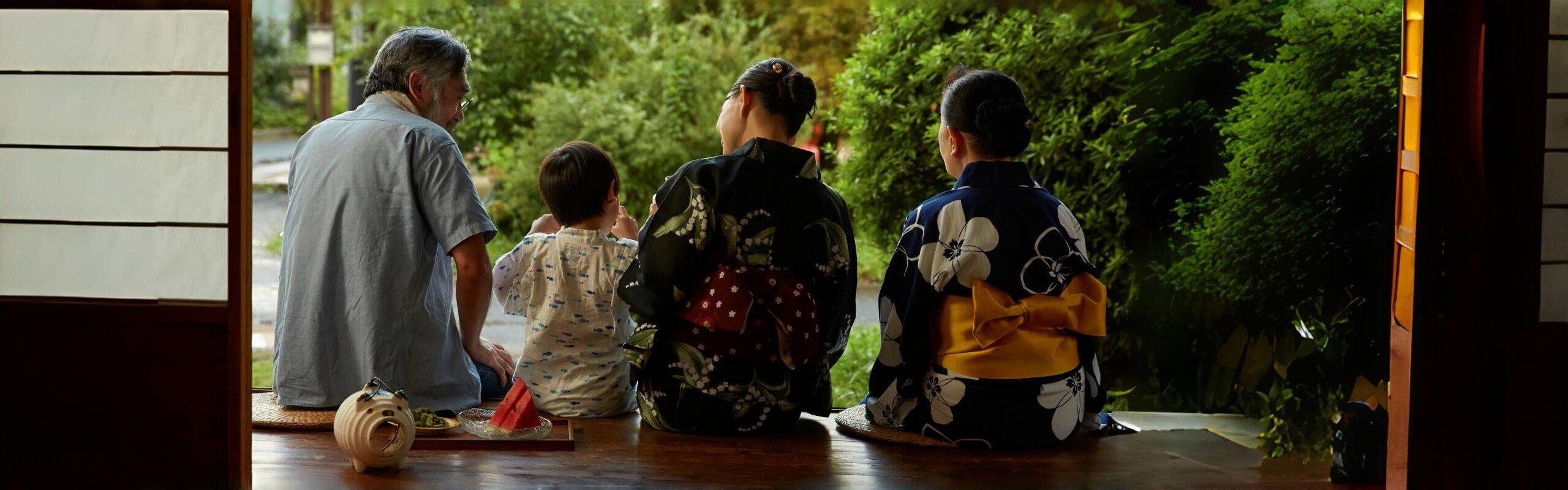
Traveling to Japan with kids is amazing—but it can be challenging too. Japan is clean, safe, and incredibly family-friendly, but the usual travel tricks don't always work. Standard hotel rooms feel impossibly small. Navigating the subway can quickly turn a short trip into a maze.
I created this practical guide based on experiences from our customers who traveled with their families. You'll get tips on where to stay, how to get around, what to eat when the kids refuse sushi, and how to keep everyone happy—even when your interests don't always match.
1. Check Your Hotel Room Size Before Booking
 The room is small in a Japanese hotel
Japanese hotel rooms can feel surprisingly small, especially for families. A standard four-star room usually fits just one 26-inch suitcase comfortably (about 23–30 m²).
Family rooms are slightly larger, often offering two regular beds plus one or two extra beds or sofa beds (25–35 m²). Beds are usually around 110–120 cm wide, with the extra bed around 100 cm—enough for kids, but tight for adults.
Always check the room size and bed layout before booking. Following these tips:
- For more space, consider apartment-style hotels like the Mimaru chain or traditional ryokans. These give your family room to relax.
- In Tokyo, focus on hotels in Asakusa or Ueno for more family-friendly choices.
- If you travel with a big family (more than 4 people), the Mimaru chain or traditional ryokans are the best choice.
2. Book Family-Friendly Ryokans 6 Months in Advance
The room in a Japanese ryokan is much bigger than that in a hotelYour family will definitely experience the Japanese ryokan. It is not a place to stay but a chance to live in Japan's timeless charm.
You will stay in a traditional wooden house, enjoy delicate kaiseki meals, and soak in an outdoor onsen. It's a full Japanese experience your family will never forget.
The best ryokans for families are in Hakone and Kyoto. Family-friendly options—with kids' yukatas and child-friendly meals—are very popular, so it's smart to book at least 6 months ahead. Travel with us, and we'll pick the perfect one for your family.
3. Understand the Hotel's Child Policy
Japanese hotels charge by the number of guests—even infants may incur a fee. Hotels are strict about room occupancy, so always provide the accurate number of people, including small kids and infants.
If your child is over 6, many hotels count them as an adult. You may pay 50–80% of the adult rate, or even the full adult price at some business hotels. Usually, kids will share a bed with you rather than getting their own.
If your child is 0–2 years old: Most hotels won't charge, but you'll need to pay extra if you want a crib.
If your child is under 3, many hotels still don't charge, but meals like breakfast may cost extra.
Tip: Always check the child policy before booking. This helps you avoid surprises at check-in and makes sure your family has the beds and space you need.
4. Always Check if the Hotel Accepts Children
Many unique Japanese stay like the temple stay in Koyasan, do not accept childrenBefore you book, make sure your hotel actually welcomes kids. Some high-end ryokans and boutique hotels don't accept children under 12. They do this to maintain a quiet and luxurious experience.
If you arrive with children without checking, the hotel might ask you to cancel or change your stay—stress you definitely don't need.
Always read the fine print. Look for phrases like "children allowed / children not permitted," and pay attention to any age restrictions.
5. Get an IC Card Ready for Your Kids at the Airport
Suica cardPrepare an IC card (such as Suica or Pasmo) for your kids at the airport. These cards can be used for trains, buses, convenience stores, and even vending machines—super convenient for families.
In Japan, children aged 6 and above usually need to pay for public transportation, so having an IC card ready saves a lot of hassle.
If you're using an iPhone, adults can add a Suica or Pasmo to their digital wallet (Apple or Google Pay).
However, children need a physical IC card. You can easily buy one from ticket machines at the airport, which accept cash and credit cards.
IC cards work on almost all trains and buses, so there's no need to calculate whether a day pass "pays off" or worry about which lines are covered.
You can also load some money onto the card and let your kids use it for small purchases—they'll love the independence, and it makes travel smoother for everyone.
6. Deliver Your Luggage to Your Next Destination
No one wants to drag a heavy suitcase with one hand while holding a child's hand with the other—especially when rushing for a Shinkansen. It's stressful and exhausting.
Use Japan's luggage delivery service instead. Your hotel's front desk can easily help arrange it for you.
That means no hauling suitcases through subway turnstiles and no wrestling with luggage on crowded trains.
When you arrive at your next hotel, your suitcases are already waiting for you in your room.
Travel lighter, move faster, and keep the journey enjoyable for both you and your kids.
7. Skip Public Transport on Your Arrival Day
You may consider using public transport from the airport, but your arrival day is a big no-no for it.
After a 10+ hour flight, you'll feel exhausted. Add a 10-hour (or more) time difference, and your body clock will be completely off.
Children are often too excited to sleep well on the plane. They are overtired and cranky after landing.
So use a private transfer to take you directly from the airport to your hotel for rest. Leave the hassle of dragging luggage, figuring out train lines, and navigating unfamiliar streets with tired kids.
8. Book Shinkansen Seats in Advance
Shinkansen seatsBook your Shinkansen seats 2–3 days in advance via the SmartEX app or official website. Booking ahead lets you choose seats next to each other and, if you're lucky, on the Mt. Fuji side of the train.
Tokyo → Kyoto / Osaka / Nagoya: Sit on the right-hand side. Window seats are usually A or E, with E being the best for Mount Fuji views.
Kyoto/Osaka → Tokyo: Sit on the left-hand side. Again, E seats offer the best chance to see Mount Fuji.
You can also book Shinkansen tickets on third-party platforms like Klook. However, in this case, you'll need to arrive at the station 15–30 minutes early to exchange your voucher for a paper ticket before boarding.
9. Allow Enough Time to Navigate Train Stations
Train and subway stations in Japan are huge and complexNo one enjoys dragging kids through a giant station while watching the departure time tick closer and closer. Arrive at the station about 40 minutes early for a more relaxed trip.
Japan's major train stations, like Tokyo Station, Umeda Station, and Kyoto Station, are huge and confusing. Umeda Station especially feels like a maze. You might walk 10+ minutes just to reach your platform.
When you're traveling with kids, everything takes longer.
Aim to arrive about 40 minutes before your train departs. Japan's trains are known for being punctually on time, so don't rush!
10. Download Google Maps Offline
In many areas, especially underground, the signal can be weak. Download offline Google Maps ahead of time, so if you lose signal, you can still navigate without frustration.
11. Eat Early Dinners to Skip the Wait
People lining up at a restaurant in Nishiki MarketBy dinner time, kids are tired, hungry, and absolutely not interested in standing in a long line outside a restaurant.
In tourist areas, popular restaurants often have long waits right at peak dinner hours. Instead, aim to eat as soon as restaurants open—usually between 5:00 and 6:00 PM. Even famous spots are much quieter then, and you can sit down almost immediately.
An early dinner also means happier kids, calmer parents, and a smoother evening—whether you're heading back to the hotel or out for a night stroll.
Our guides will recommend restaurants based on your family's tastes and your kids' preference-not just tourist-famous places. They also plan the day's schedule so you naturally arrive before the rush.
12. Reconsider if You Book Restaurants in Advance
A small snack restaurant in Tsukiji Market in Tokyo It's true that many famous restaurants in Japan require reservations. But unless your family has a must-do dining experience in mind, like a themed restaurant, like the robot restaurant in Tokyo. It is better not to lock in one place to eat.
When you're traveling with kids, days rarely go exactly as planned. Maybe the kids get tired and need a break. Maybe they love the snack street or a shop they don't want to leave.
If you've reserved a restaurant, you're tied to the clock. Arrive late, and your table will be canceled, and some places charge cancellation fees.
Keeping meals flexible gives you breathing room. You can adjust your pace, follow your kids' energy levels, and choose what feels right in the moment.
13. Embrace Family-Friendly Restaurant Chains
Finding a table for a family of five or more in Japan can be hard. Many local restaurants are tiny with limited seating. That's where family-friendly chains come to the rescue.
Places like Sushiro are perfect for kids. They can order on tablets, watch sushi glide by on the conveyor belt, and enjoy a fun, interactive meal. The food is fresh, prices are reasonable, and the casual atmosphere means no one will mind if your kids get a little excited.
Other easy options include casual gyoza spots like Gyoza no Ohsho in Osaka or ramen chains with English menus and fast service. These spots keep mealtime stress-free and enjoyable for everyone.
14. Get a SIM Card or Data Plan for Your Child
You might plan to use a shared pocket WiFi, but having mobile data on your child's phone is much more reliable.
In busy places like stations, theme parks, or shopping streets, kids can easily wander a few steps away. If they lose the WiFi signal, you may not be able to call or message them right away. If so, that moment of panic is something no parent wants.
With a local SIM or data plan, your child can stay connected anywhere.
15. Give Your Children Some Cash
Japan is still very cash-friendly. While most big stores and restaurants accept credit cards, small local eateries, street food stalls, temple shops, and rural areas often only take cash.
Give your child a small amount of yen—around ¥5,000–10,000. They'll love being able to buy snacks, little souvenirs, or try a gachapon machine on their own. It's a fun way for them to explore, make choices, and feel a bit independent while you keep things stress-free.
16. Avoid Rush Hour on Public Transportation
Try to avoid the subway during weekday rush hour, roughly 8–9 AM. Trains can be packed shoulder-to-shoulder, making it nearly impossible to push a stroller through. Even with older kids, the crowds can feel stressful and exhausting.
Remember, you're in Japan to enjoy memorable family time, not to squeeze past commuters on a jam-packed train.
Traveling just before or after the peak rush makes your commute calmer, safer, and much more comfortable for the whole family.
17. Book Popular Attractions Early
Some experiences in Japan sell out fast.
TeamLab Planets tickets can disappear 1–2 weeks in advance. For Universal Studios Japan, especially Super Nintendo World, and Tokyo DisneySea, it's best to book 1–2 months ahead.
This is especially important during Japanese school holidays: late March–early April, late July–August, and late December–early January.
Use platforms like Klook or the official websites to reserve entry tickets and express passes. This saves you from long lines and keeps kids happy instead of disappointed at the gate.
If you travel with us, we take care of all these bookings for you. No hassle, no stress, just enjoy your day with the family.
18. Don't Overpack Your Days
Allow a more relaxed itinerary to enjoy Japan Plan your activities around your kids'energy. In Kyoto, many attractions involve a lot of walking. For example, hiking up to Arashiyama's Monkey Park is a fun adventure, but it can be exhausting for little legs.
That's why it's better to pace your day. Stop for snacks, take breaks in gardens or cafes, and enjoy moments like spotting playful monkeys or watching the autumn leaves drift down.
Let our family travel experts help. We'll craft a personalized itinerary that balances your kids' stamina with your family's interests. This way, you can explore temples, markets, and parks without feeling rushed. Contact us to create your Japan family trip now!
19. Manage Jet Lag for Young Children
Japan and the U.S. have a big time difference. When it's 8 AM in Tokyo, it can still be the middle of the night back home. For young kids, this can be tough, and jet lag may affect them for several days.
Build this into your plan from the start. On arrival day, don't schedule sightseeing. Check into your hotel, take a short walk around the neighborhood, grab an easy meal, and let everyone rest.
Try to get outside in natural daylight as soon as you can. Sunlight helps reset your body clock, and a gentle walk is much better than keeping tired kids indoors all day.
20. Bring a Lightweight Travel Stroller
Even if your child usually walks, bring a stroller, but make it a lightweight and foldable travel model.
In Japan's cities, especially Tokyo, Osaka, and Kyoto, it's normal to walk 15,000–25,000 steps a day. Train stations are huge, and you may walk 10+ minutes just to reach a platform.
Kids get tired fast. Soon you're carrying a sleepy child with one arm and pulling luggage with the other.
A stroller also gives your child a place to nap during long sightseeing days.
However, space in Japan can be tight. Many ramen shops, small restaurants, buses, and older streets don't have room for large strollers. That's why a compact, easy-fold travel stroller is strongly recommended.
The good news: most major subway stations, JR lines, and Shinkansen stations have elevators (though sometimes you need to go the long way around).
Smart Travel Tips
- Avoid rush hour on subways. Trains get extremely crowded, and it can be difficult to board with a stroller.
- Some station elevators are hard to find. Plan an extra 15–25 minutes to locate accessible routes. Smaller stations may not have elevators at all.
- If you're only visiting one city, you can rent a stroller at the airport — but supply is limited, so reserve online in advance.
21. Teach Your Kids Some Local Manners
Japan is very family-friendly, but it's also a place where public manners matter. Teaching your kids a few simple habits will make your trip smoother and more pleasant for everyone.
For example, keep your voice low on trains, avoid eating while walking on busy streets, and say "Sumimasen" (excuse me) when you need to get someone's attention or pass by.
22. Learn a Few Key Phrases with Your Children
Learning a few simple Japanese phrases together can be a fun part of the trip. Kids love using them in real situations, and it makes daily interactions more enjoyable.
You don't need to be fluent, just a few words go a long way:
- Sumimasen — Excuse me / Sorry
- Arigatō gozaimasu — Thank you very much
- Oishii — Delicious (great to say after a good meal)
- Nan-ban nori-ba? — Which platform/track number?
Using these phrases often brings smiles and friendlier responses, and it helps your children feel more confident exploring a new country.
23. Help Your Children Create a Travel Journal
Encourage your kids to collect small memories along the way: train tickets, snack wrappers, temple stamps, or attraction maps. Each evening, paste them into a notebook and write a few lines about the day together.
It becomes more than a notebook. It's a personal story of their trip, and a keepsake they'll treasure long after the journey ends.
These tips will help your family travel in Japan more smoothly, comfortably, and with fewer surprises along the way. And don't worry — Japan is one of the most family-friendly countries you can visit, with clean cities, safe transport, and people who are kind to children.
Plan Your Japan Trip 2026/2027 With Us
If you still have questions or special concerns, our travel advisors and local guides are always here to help.
Take a look at our most popular Japan family itineraries to get a clear idea of what a well-designed family trip in Japan can look like, or simply contact us to create a personalized journey based on your children's ages, your schedule, and your family's interests.