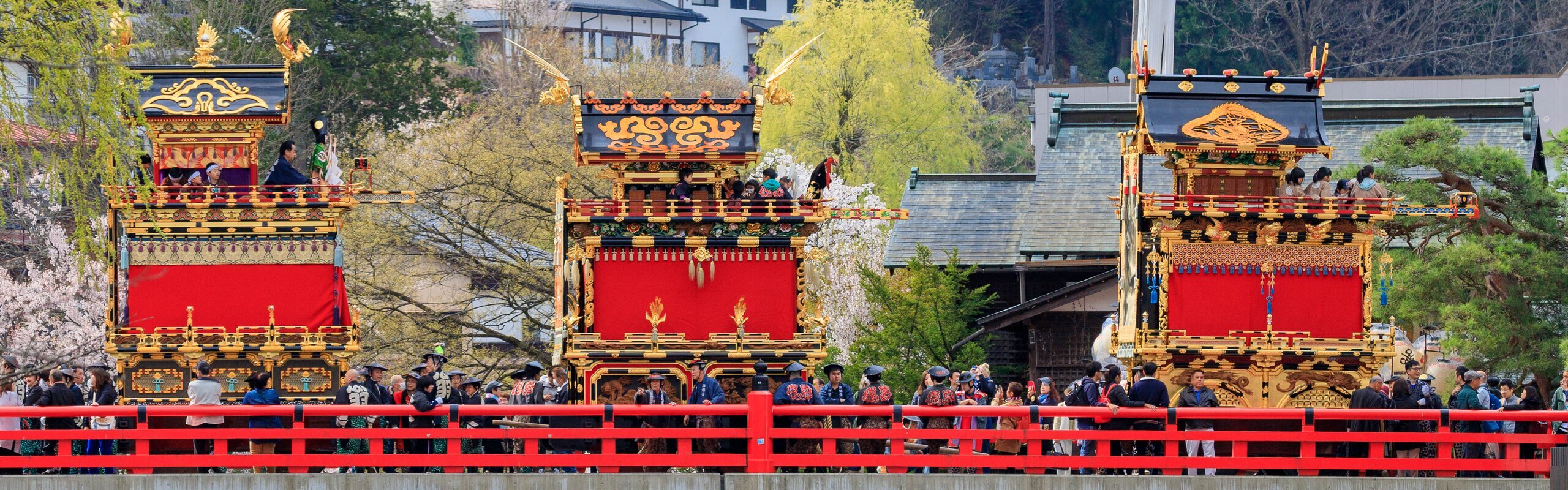

Japan's autumn festivals run from September to late November. You can enjoy lively parades, see autumn leaves lit up at night, and try seasonal snacks. It makes your autumn trip feel more than just sightseeing.
So how can you experience these festivals like a local? Which ones are worth visiting if it's your first time in Japan? And which one gives you both autumn leaves and a lively festival vibe?
Based on our experience, we'll share 7 of the best autumn festivals in Japan, along with simple tips on how to experience them better. Instead of just listing them, we'll help you quickly choose which one is right for your trip.
Japan's Autumn Festivals Schedule 2026
Autumn in Japan usually lasts from September to November.
From September to October, it's all about traditional festivals. But there are hardly any autumn leaves yet. In November, it focuses on both autumn leaves and festivals at the same time.
Here are seven handpicked autumn festivals in Japan:
| Festival | Date | Key Highlights |
|---|---|---|
| Fujikawaguchiko Fall Leaves Festival | Oct 31–Nov 29 | Maple-lined paths with Mt. Fuji views and romantic night illuminations |
| Takayama Autumn Festival | Oct 9–10 | Elegant float parades in a historic old town, plus a lantern-lit night parade |
| Autumn Foliage at Evening Light-up Events | Mid-Nov to early Dec | Temples, gardens, and maple trees lit up at night in major cities |
| Kyoto's Jidai Matsuri | Oct 22 | A parade where locals in traditional clothing recreate Japan's history |
| Kawagoe Festival | Oct 17–18 | Edo-style streets with decorated floats and a lantern-lit night parade |
| Kyoto's Kurama Fire Festival | Oct 22 | A dramatic night parade with giant torches |
| Osaka's Kishiwada Danjiri Matsuri | Sep 19–20 | Fast-paced wooden float races pulled through the streets |
1. Fujikawaguchiko Fall Leaves Festival: Maple Corridor with Views of Mount Fuji
- Date: Oct 31–Nov 29
- Location: Lake Kawaguchi
- Vibe: Relaxed and close to nature
- Best for: Travelers who want to enjoy autumn leaves and views of Mount Fuji

If you visit Japan in November and want to see the best of autumn leaves, the Maple Leaf Corridor at Lake Kawaguchi is our top pick. Because it's in a mountainous area, the leaves usually peak in early November, earlier than in Tokyo and Kyoto.
The biggest highlight is that the autumn leaves and snow-capped Mount Fuji are in one frame. There are also food stalls nearby, so it feels more lively. At night, the whole corridor lights up, creating a completely different feel from the daytime.
It's smart to stay one night at Lake Kawaguchi. That way, you can see the autumn leaves in both daytime and nighttime views. You can also enjoy Mount Fuji in the quiet early morning and take better photos before the crowds arrive.
To catch the best colors, it's a good idea to visit in early to mid-November. This is when the maple leaves are at their most vibrant.
Avoid visiting on weekends. Many locals also come then, so it gets very crowded and traffic jams are common. When we went to Lake Kawaguchi, the driver told us that during the autumn leaves season, weekend traffic jams can last 2–3 hours.
Tips:
- Try to arrive around 9 am. This is usually the best time to see the full view of Mount Fuji clearly. Clouds often start to cover the summit after noon.
- Visit on weekdays. It gets much busier on weekends.
Planning Your Japan Autumn Trip in 2026?
With the right timing, destinations, and experiences, your Japan autumn leaves trip can be truly unforgettable. Our 11-Day Japan Autumn Splendor Tour is designed to take you to the best places at the best time, with experiences that go far beyond sightseeing.
2. Takayama Autumn Festival: Float Parades Through a Historic Old Town
- Date: Oct 9–10
- Location: Takayama
- Vibe: Traditional and lively
- Best for: First-time visitors and anyone interested in Japanese culture
If you can only pick one autumn festival with a strong traditional Japanese feel, the Takayama Autumn Festival is a perfect choice! It's known as one of the three most beautiful festivals in Japan.
During the day, the beautiful floats slowly move through old streets, plus traditional performances. At night, lanterns light everything up, and the whole town feels really magical. That's honestly the best part of the festival.
We'd suggest going on October 9th. It gives you the full experience and captures the essence of the festival.
It can get pretty crowded, though, but things are well organized. Here are some simple tips to help you avoid the crowds:
- Arrive around 8:30–9 am. The parade hasn't started yet, so you can get close to the floats and take photos more easily.
- Leave before 7 pm. You can still enjoy the night atmosphere after the lights come on around 6:30, and avoid the rush when everyone leaves later.
Staying overnight in Takayama is best. But it's quite far from both Tokyo and Kyoto. If your Japan trip is only around 7 days, it's better to skip this festival and focus on the major cities instead.
Book your hotel in Takayama 3–6 months in advance. Prices can go up to three times higher, and rooms often sell out quickly.
3. Autumn Foliage at Evening Light-up Events
- Date: Mid-November to early December
- Location: Kyoto
- Vibe: Romantic and dreamy
- Best for: First-timers
Actually, this is not a festival but a seasonal autumn-only event. At night, the lights make the red maple leaves look even more dreamy and peaceful. It's a special experience that many travelers add to their Japan autumn trip.
After visiting several cities during our autumn trip in Japan, we think Kyoto is the best place to experience it. Many shrines and gardens hold night light-up events in autumn. Walking through the old temples and streets, you can really feel the atmosphere of traditional Japan.
Kōdaiji Temple is a great place to see autumn leaves at night, and it's also popular with locals. The temple has many maple trees, and the lighting changes across the garden, making it perfect for photos. It's also right in the city center, so it's very easy to get there.
In Kyoto, the autumn leaves usually peak from late November to early December. That's also the best time to enjoy the night light-up events.
4. Jidai Matsuri: Traditional Costume Parade Recreating Japan's History
- Date: Oct 22
- Location: Kyoto
- Vibe: Historical and immersive
- Best for: Travelers interested in Japanese history
Want a quick way to learn about Japan's history? Don't miss Kyoto's Jidai Matsuri (Festival of Ages). It's one of the most important autumn events in Kyoto.
You'll see parades passing by in traditional costumes from different periods of Japan's history. From samurai and nobles to princesses, it feels like you've traveled back in time. Our private guide will also share the stories behind each group, so you can better understand each historical period.
If you just want to take photos or watch a short part of the parade, you can stay along the roadside. It's best to pick spots near Heian Shrine or the Kyoto Imperial Palace. These historic places make the experience more immersive and great for photos.
If you're really into Japanese history and want to watch the full parade, the paid seating area is a better choice. You'll get reserved seats, a clearer view, and headphones with audio commentary, so you can learn more about the history in a deeper way.
Whatever you want to experience in Japan during your autumn trip, our expert Japan travel advisors can help you choose the best activities based on your needs and budget. Just contact us and let's plan your trip together!
5. Kawagoe Festival: Edo Style Floats Near Tokyo
- Date: Oct 17 - 18
- Location: Kawagoe (40-60 minutes drive from Tokyo by car)
- Vibe: Lively and traditional
- Best for: First-timers
If your trip includes Tokyo and you don't want to travel too far for festivals, choose the Kawagoe Festival. It's less than an hour from Tokyo, but you can still feel the rich Edo-period atmosphere.
You'll enjoy beautiful giant floats passing through well-preserved Edo-style streets. The most exciting part is when different floats meet in the streets. Both sides play traditional instruments like taiko drums and flutes, while performing and interacting with each other.
At night, the lantern light on the streets and floats creates a stronger Edo-period feel. Many people say this is the highlight of the festival.
That's why we recommend going on the evening of October 17th. The atmosphere is better than the daytime festival on October 18th, and it helps you feel the charm of the festival more.
To avoid crowds, try arriving around 6 pm. The parade hasn't started yet, so you can walk along the main street and see the floats and performers in traditional costumes. Then find a less crowded spot and wait for the parade to start at 7 pm.
If you don't mind leaving early, you can head to the station around 7:30 pm. After the festival ends at 8 pm, many visitors will rush to the station, and you may need to wait for several trains before you can get on one.
6. Kurama Fire Festival: A Night Parade with Large Torches
- Date: Oct 22
- Location: Kyoto
- Vibe: Lively
- Best for: Travelers looking for a unique traditional night experience
Want something different from the usual float parades? Kyoto's Kurama Fire Festival is a great option. It's a night festival full of fire and loud chanting, and the atmosphere is super intense.
The festival starts around 6 pm. The main draw is local villagers, mainly men, carrying huge torches that weigh about 80 kilograms. They walk through the streets in groups and shout loudly. The fire, the sound, and the crowds all come together to create a very immersive experience.
The whole festival follows a one-way route, so everyone walks along with the parade, which makes it quite crowded. Here are some tips to avoid the crowds:
- Stay in the section between Yuki Shrine and Kibuneguchi. It's usually less crowded, and there's no strict access control. All the torch groups still pass through here, so you won't miss the highlights.
- Leave around 9 pm. The festival peaks around 8:30 pm. Leaving a bit early makes it easier to take the train back to the city (about 40–60 minutes). The later you leave, the bigger the crowds get, and you may need to wait for several trains.
If you have walking difficulties, it's better to skip it. There's a lot of walking and standing involved, usually 2–3 hours.
7. Kishiwada Danjiri Matsuri: Floats Racing Through Osaka's Streets
- Date: Sept 19 20
- Location: Osaka
- Vibe: Vibrant and high-energy
- Best for: Travelers looking for a unique, thrilling Japanese festival experience
Unlike most slow-paced Japanese float parades, the Kishiwada Danjiri Festival in Osaka is all about speed and power.
You'll see hundreds of people pulling huge floats, each weighing about four tons, racing at high speed through the streets while shouting through city blocks and sharp turns. The floats sometimes come very close to buildings, making the scene extremely tense and exciting.
If you want to avoid the crowds on the actual festival day, you can also go to the rehearsal on the Sunday of the previous week. It has the same high-speed float parades, and the experience is very close to the official event, but with fewer people.
Plan Your Japan Autumn Adventure Now
Just tell us what you want to experience in Japan in autumn, and our Japan travel advisors will customize your trip, balancing everyone's interests in your family and taking care of every detail for you.
Here are our two Japan autumn tours for your inspiration: